Independent research recognises the power of partnership in seafood adaptation
Almost half of the actions needed to transform Aotearoa's seafood sector for a changing climate cannot be delivered by any single company or government agency acting alone. That is the finding at the heart of recently published, peer-reviewed research that examined The Aotearoa Circle's seafood adaptation work. The paper also goes to the core of why The Circle exists: important issues facing our economy are best addressed together.
The paper, Can public-private partnerships drive transformational climate adaptation? Seafood sector pathways in Aotearoa New Zealand, published in Environmental Research Letters, was led by Dr James Butler of Cawthron Institute and Dr Nicholas Cradock-Henry of Earth Sciences New Zealand (formerly GNS Science), with colleagues from both organisations and The University of Auckland.
It used The Circle's seafood sector work as a national case study to ask a question with implications well beyond the seafood sector: can public-private partnerships (PPPs) drive transformational climate adaptation?
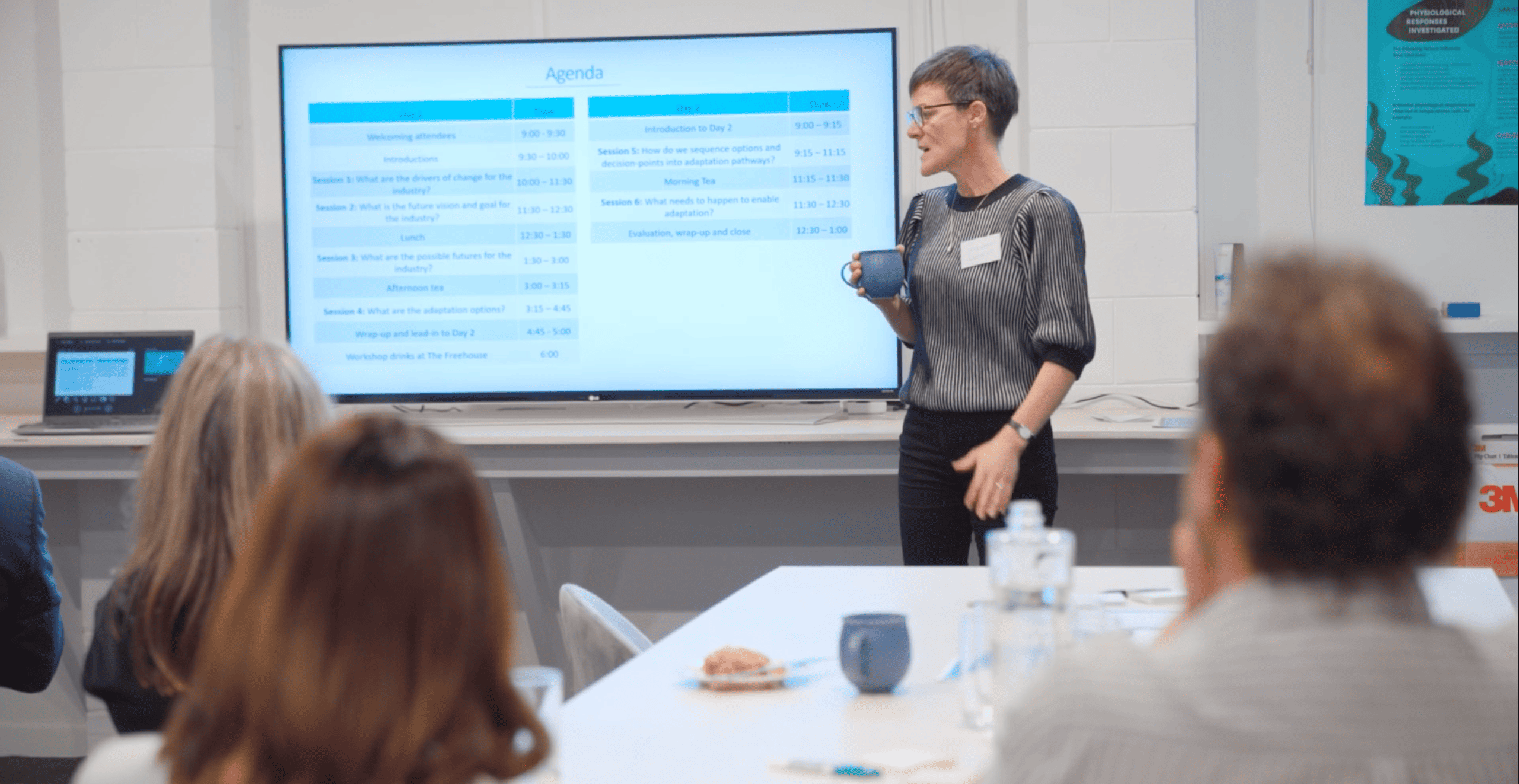
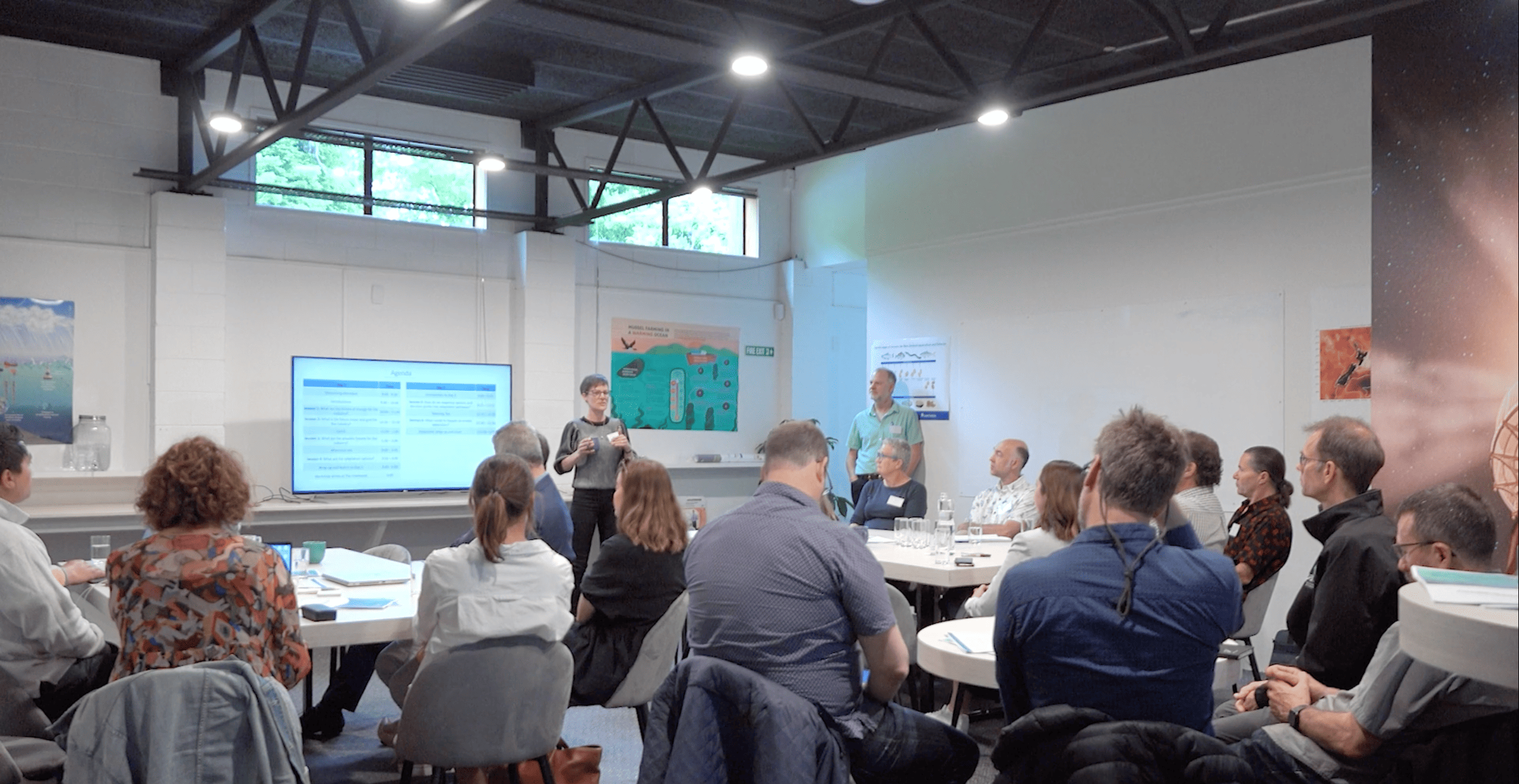
In February 2023, The Circle commissioned Cawthron to design and lead adaptation pathways planning for four seafood case studies: salmon and mussel aquaculture, and the hoki and snapper fisheries, all completed by the end of that year. You can learn more about the work undertaken here: Climate Adaptation Pathways Planning - Cawthron Institute | Videos & Movies on Vimeo
This latest research paper, however, was independent of The Circle: the journal approached Butler and Cradock-Henry to write about the process Cawthron took in developing adaptation pathways, and the authors interviewed members of the Seafood Sector Implementation Group and The Circle team to evaluate progress and weigh up the strengths and weaknesses of the partnership model.
What the research found
The adaptation pathways process generated a detailed set of actions that industries and their partners could take to build climate resilience, ranging from immediate operational changes through to the deeper, structural shifts needed to secure each industry's long-term future. For the no-regrets pathways (immediate, low-risk actions), the researchers identified 62 actions in total, and 61 percent of these could be delivered by a company acting alone. But for the transformational pathways (bigger strategic shifts, often requiring legislative change), the balance shifts: of 38 actions identified, only 52 percent could be done independently, and 48 percent required public and private entities to work together.
The pattern was even stronger for the sector-wide challenges no single organisation can own - agile regulation, climate forecasting, fleet decarbonisation, and oceans research. For these, the research paper identified that most actions needed leadership from The Circle itself or joint delivery by government and industry. The paper points to fleet decarbonisation as a working example, where The Circle connected New Zealand and Australian stakeholders to tackle an issue beyond the reach of any individual company or agency, showing how modest, pooled contributions can unlock much larger workstreams.
Those interviewed for the paper pointed to The Circle's role as a trusted, neutral convener as central to the work's success: an apolitical space where senior public and private sector leaders can work through complex issues and co-design responses together, without the pressure of formal commitments or policy positions. Just as valuable was The Circle's ability to bring the people making day-to-day operational decisions into the same room as those setting long-term strategy.
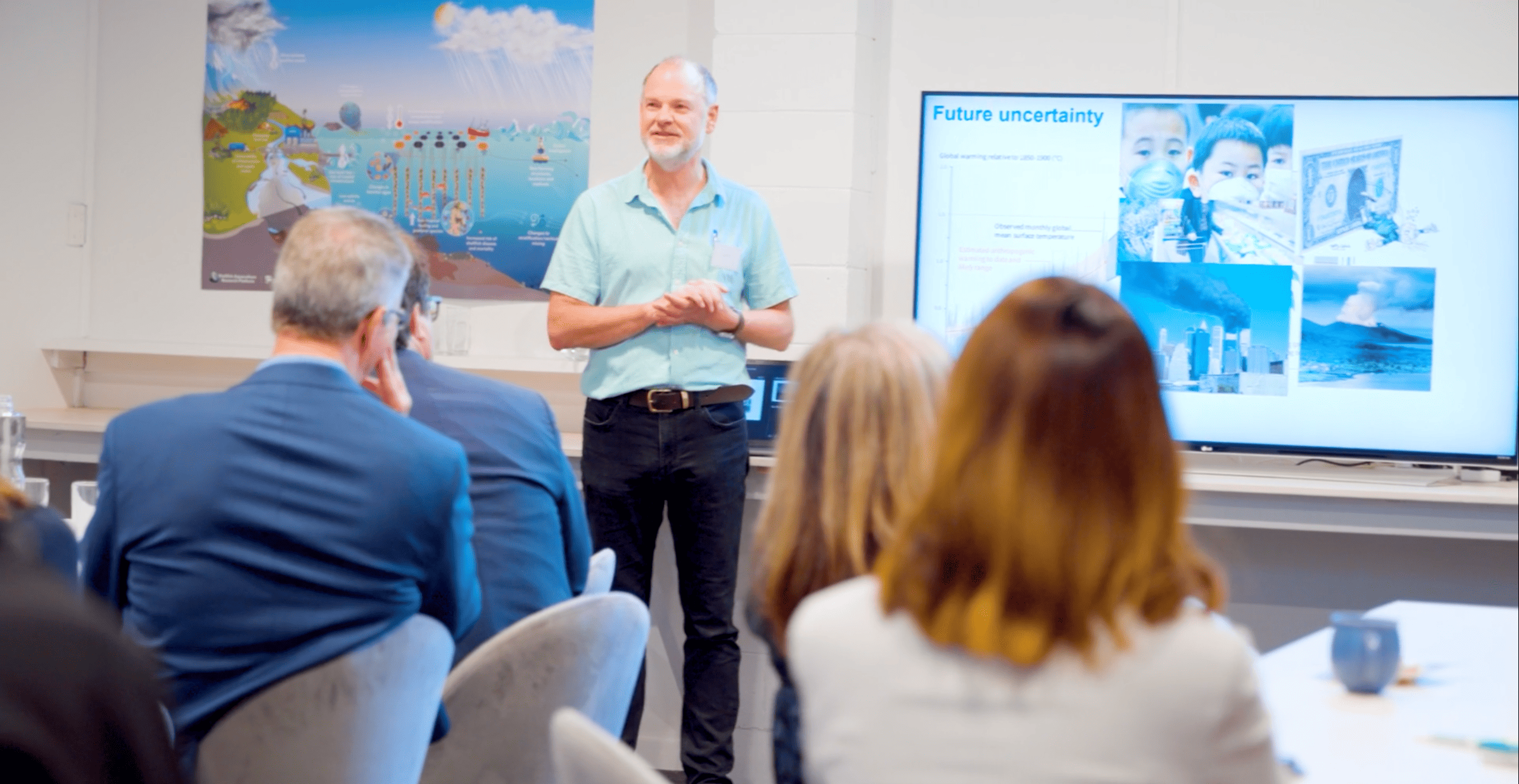
Paper co-author Dr James Butler commented. "What stood out to us was how much of the transformational work, the changes that will really determine whether these industries can adapt, depends on public and private partners moving together. No single company or agency can do that alone. That's precisely the gap a body like The Circle is built to close."
The paper's implications reach past the case studies themselves. Consistent funding, it argues, is what will turn this planning foundation into lasting adaptation: combining contracted funding contributions from Circle partners with continued financial and in-kind support would give the partnership the stable base it needs to keep running the pathways process as conditions change.
For The Circle, the findings land as independent confirmation of a founding belief: that when public and private leaders commit to solving shared problems together, they can achieve adaptation at a scale no organisation could reach alone.
The work behind the findings
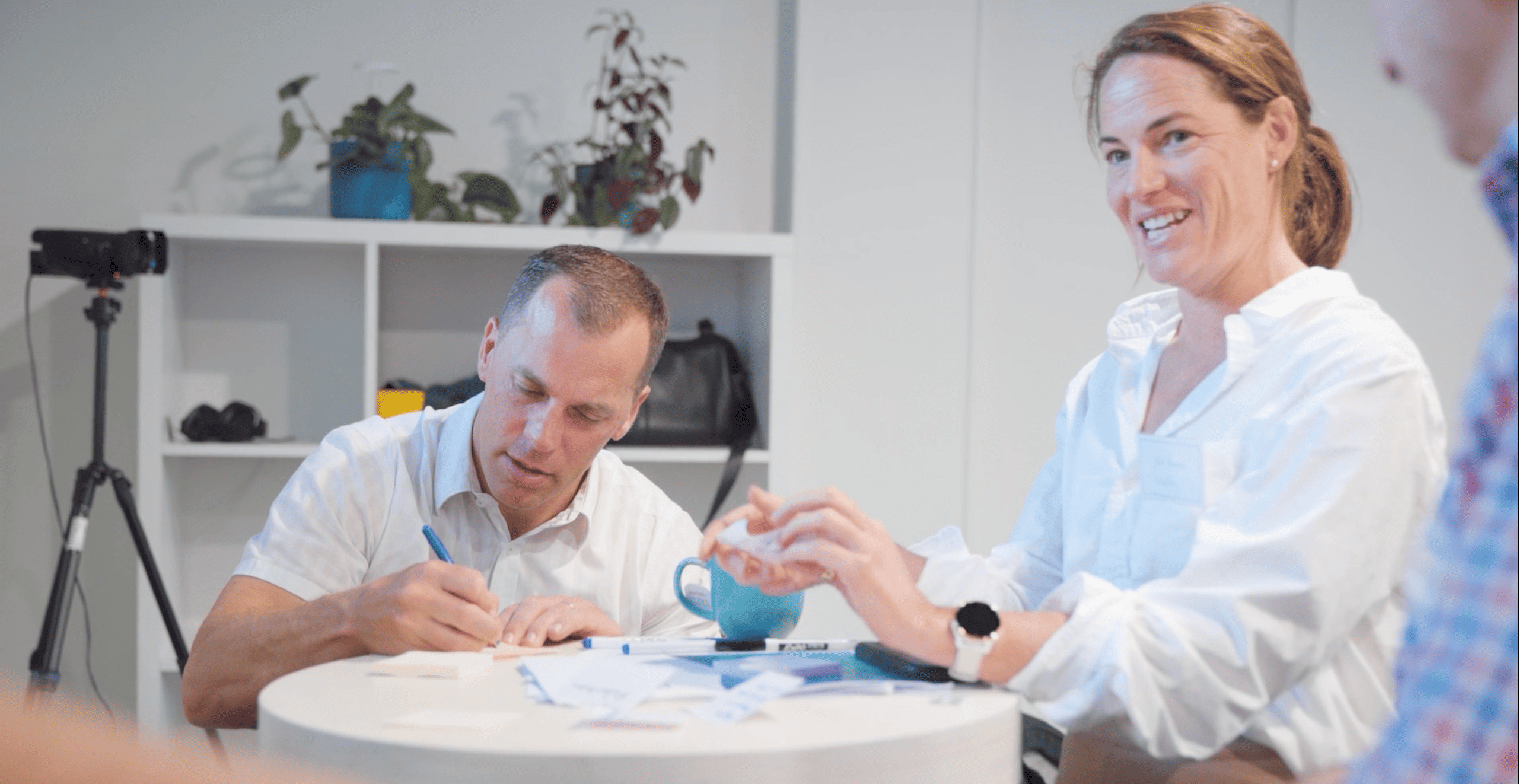
The programme dates back to 2021, when The Circle, supported by KPMG and a cross-sector Leadership Group, developed a Seafood Sector Adaptation Strategy after identifying seafood as both economically significant and highly exposed to climate impacts such as ocean warming and marine heatwaves. The pathways planning that followed in 2023 ran through workshops that brought together 20 to 30 stakeholders at a time, spanning companies, regulators, Māori resource owners, scientists, and environmental NGOs, to map the strategies and decision points that could keep each industry viable under climate uncertainty. An Implementation Group of industry, science, and government representatives then translated the results into practical adaptation toolkits and a set of cross-cutting initiatives addressing the sector-wide challenges above, with KPMG separately commissioned to develop resources supporting Tiriti-based approaches to implementation.
From partnership to action
The tools are now being applied across the system. Cawthron's Climate Adapted Finfish programme draws on them in adaptation planning with salmon companies, while at Earth Sciences New Zealand they are informing fisheries research and climate impact assessments.
The value is already showing up closer to home, too. As Sealord Chief Executive Doug Paulin shared in The Circle’s 2026 Impact Report "The Aotearoa Circle's climate scenarios outlining potential changes in deepwater conditions for the seafood industry, particularly in relation to the moana and rising sea temperatures, have helped us identify the key issues Sealord needs to focus on. Without this work, we would have needed to invest significant resources to commission research that may not have been as robust, potentially leading to decisions based on less accurate data."
Explore the Seafood Adaptation Toolkits here.

-48.jpeg)
-47.jpeg)