A residential development in Wānaka demonstrates that water-sensitive design is not just good for the environment - it is good for the investment.
With infrastructure in New Zealand at a critical intersection, the tools available to decision-makers matter. The Aotearoa Circle’s Natural Infrastructure Plan, released in March 2026, brings together case studies, toolkits, and resources demonstrating that natural infrastructure is a valuable, credible part of that toolkit - financially sound, environmentally effective, and replicable beyond the public sector.
Infrastructure debate tends to centre on councils and public works but the case for natural infrastructure doesn't stop at local government boundaries. At Kirimoko Park – a residential development in Wānaka, a private developer faced the same question councils face every time they plan for growth: do you engineer around water, or do you design with it?
They chose to design with it. And the numbers show why that decision made sense.
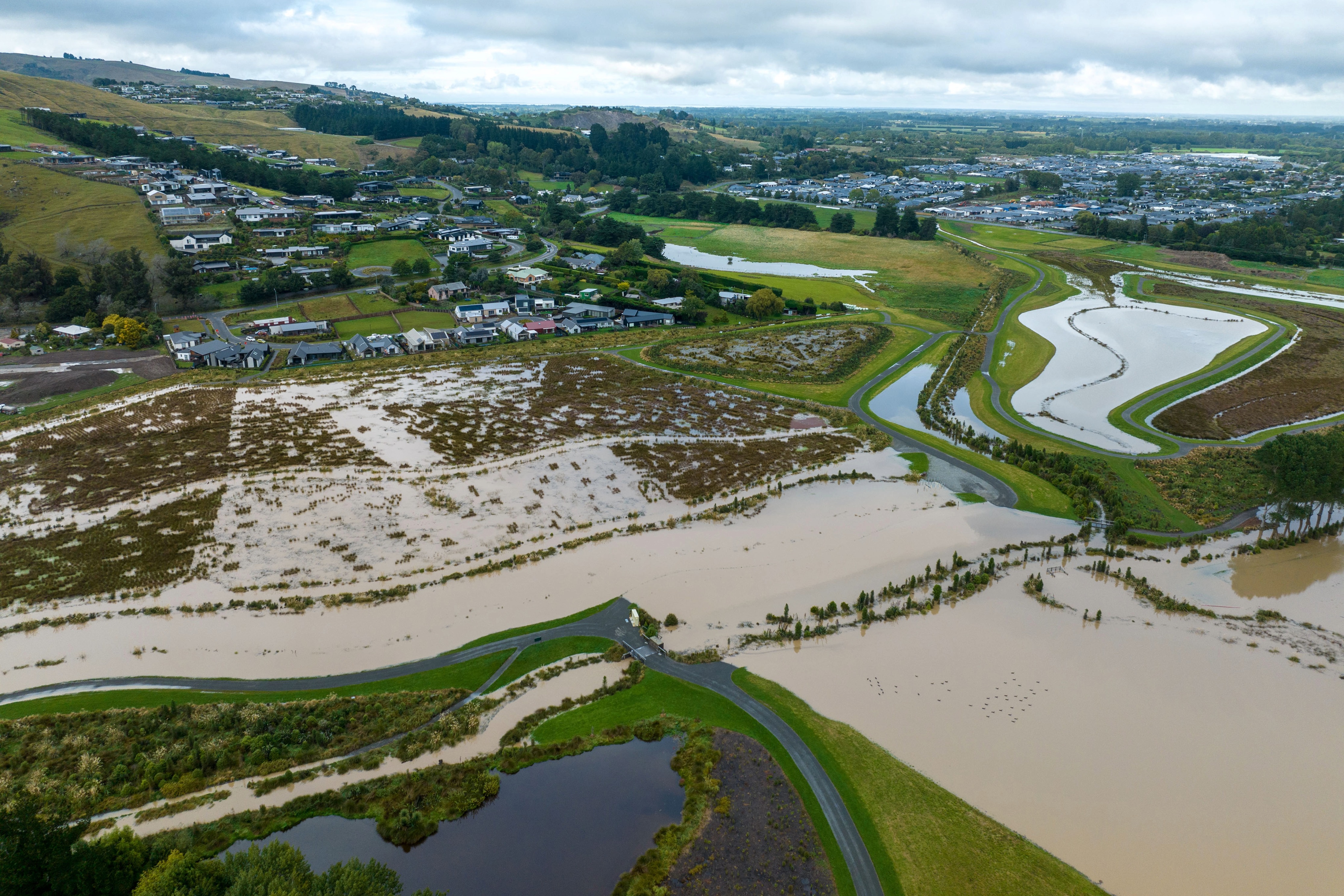
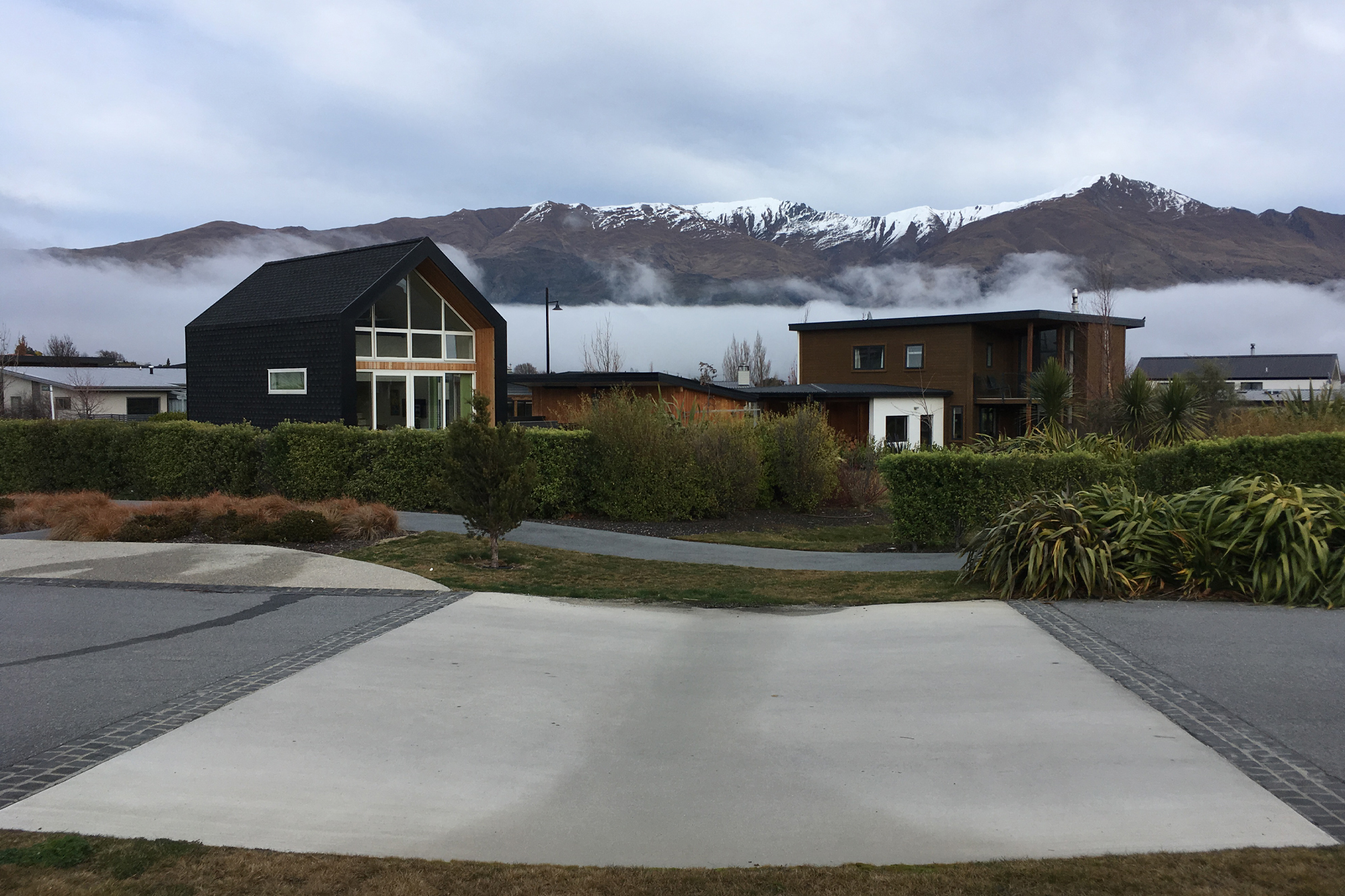
Kirimoko Park is a 117-lot residential development set 2km north of Wānaka town centre, developed by Meridian Land Development Consultants, Southern Land Consultants, and Southern Ventures, working with stormwater specialists AR Associates. Rather than managing the site's natural drainage through pipes, detention ponds, and concrete channels, the team applied Water Sensitive Urban Design (WSUD) principles - letting the road network follow the contour of the land and managing stormwater through a visible network of swales, rain gardens, and attenuation basins. Stormwater, virtually all of it managed on the surface without piping, became a design asset rather than an engineering problem. The water features woven through the development's open spaces add amenity and landscape quality, without detriment to Lake Wānaka or the area's groundwater.
Sue Ira, a specialist in WSUD from Koru Environmental, says that Kirimoko Park challenges conventional thinking about infrastructure and development. “Kirimoko Park demonstrates that doing things differently doesn't necessarily mean spending more. Sometimes the most cost-effective infrastructure is the infrastructure we don't need to build. By rethinking how stormwater, streets and landscapes work together, the development achieved cost savings while creating a greener, more resilient and more attractive place to live. It challenges us to consider whether the greatest barrier to more resilient urban development is sometimes simply our own expectation of what infrastructure should look like.”
The financial results, assessed using Life Cycle Costing and the "More than Water" evaluation tool, made the case clearly: the WSUD approach delivered a 22% development cost saving compared to a conventional stormwater solution. When water is managed where it falls, the downstream infrastructure required is smaller - less piping, less earthworks, less engineered intervention. The development's stormwater assets appreciate in value rather than depreciate, a distinction that matters on any long-term balance sheet.
The market has confirmed the investment logic too. Completed lots at Kirimoko Park have become highly sought after by prospective buyers, with the development's natural character a direct draw. In Wānaka, a development that works with its landscape rather than against it doesn't just cost less to build - it holds its value better.
Kirimoko Park is one of six case studies featured in the Aotearoa Circle's Natural Infrastructure Plan, released March 2026, developed with the support of our partners. Access the full Natural Infrastructure Plan and resources here.
Originally researched as part of the National Science Challenge for Building Better Homes, Towns and Cities to Activate WSUD across New Zealand. The full case study can be downloaded from: https://www.landcareresearch.co.nz/discover-our-research/environment/sustainable-society-and-policy/activating-water-sensitive-urban-design-for-healthy-resilient-communities/research-outputs