**The views expressed by Hana are her own and do not necessarily reflect the opinions or positions of our Partner, Department of Conservation whom Hana represents.
When I think back on my time on The Aotearoa Circle’s Rangatahi Advisory Panel (RAP), the thing that stands out most is probably the very beginning - meeting everyone for the first time in Wellington.
I was about 24 or 25 at the time, and I remember feeling quite intimidated walking into Parliament thinking, “Do I really belong here?” I felt young and inexperienced compared to everyone around me. But pretty quickly I realised a lot of us were feeling the same way.
What stayed with me most was realising that people genuinely wanted to hear what we had to say. It wasn’t just a token exercise or a symbolic seat at the table. Our perspectives were being listened to and taken seriously, and for the first time I really understood the value of bringing a younger perspective into conversations about Aotearoa’s future.
Looking back now, I think one of the biggest things I took away from the RAP was learning to speak up. Early in your career it can feel easier to stay quiet, especially if you feel your thoughts aren’t important enough, or you don’t have enough experience yet. But being on the RAP taught me that your perspective has value, even if you’re still learning, and even if people don’t always agree with you.
That confidence has stayed with me in both my work and personal life.
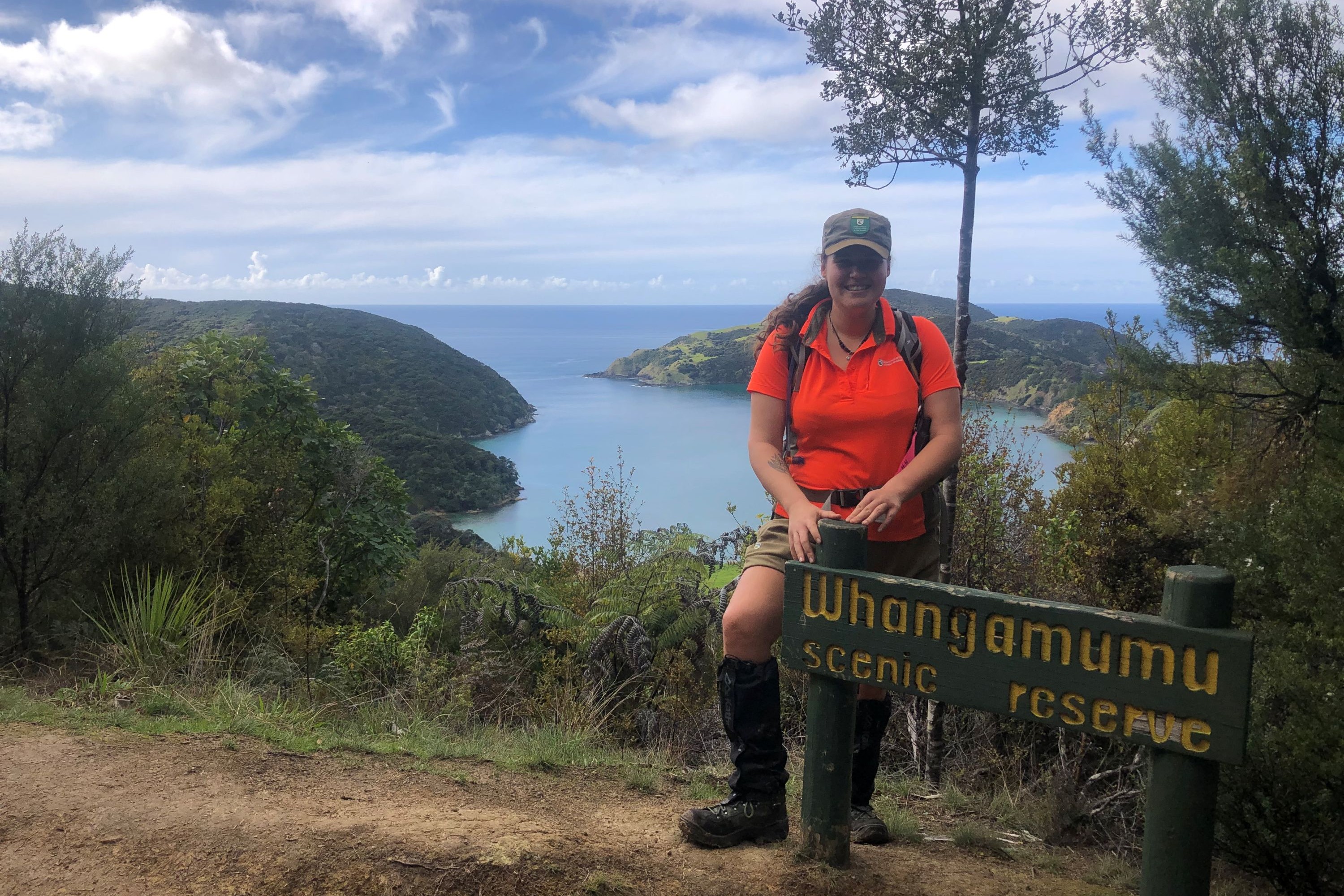
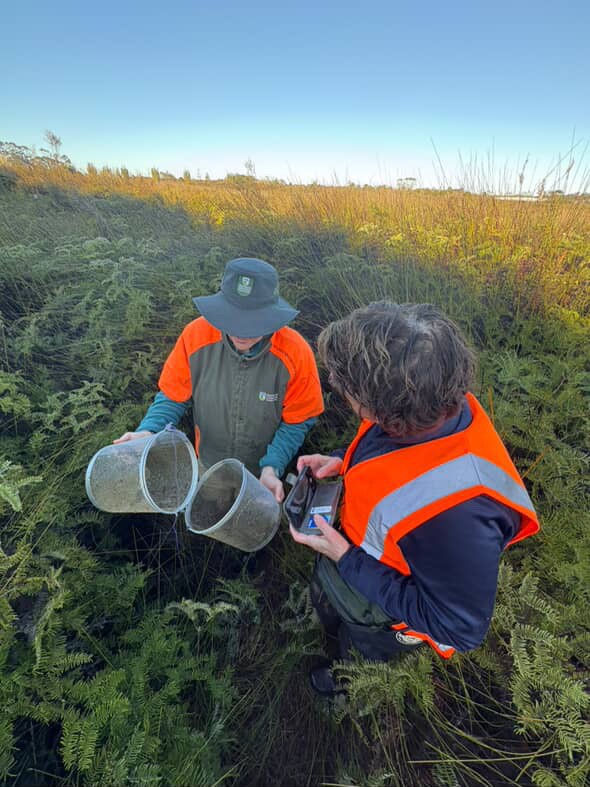
I still work for the Department of Conservation as a Biodiversity Ranger based in the Bay of Islands, and over the last few years I’ve taken on opportunities I probably would have talked myself out of before.
Earlier this year I stepped into a secondment role as the Regional Kauri Lead across Northern North Island. I spent quite a bit of time deliberating over whether to apply, because I wasn’t sure if I was capable of stepping into a role at that level. It was a much bigger role than what I was used to, with more responsibility, higher-level conversations, and a greater focus on relationship management.
But eventually I thought, “Just give it a go.” I ended up learning so much from that experience.
Looking back, being part of the RAP helped build the confidence I needed to put myself forward for opportunities like that. I felt unsure about applying for the RAP at the time too, but I did it anyway, and I think having that experience gave me the confidence to keep putting myself forward for things that felt outside my comfort zone.
The experience also changed the way I work with younger staff coming through now. One thing I appreciated about the RAP was that we were actively asked for our opinions rather than expected to quietly sit in the background. I try to carry that forward by making sure younger team members feel included in conversations too, because it’s easy for people to assume they’re “still learning” and unintentionally overlook their perspectives. Even just asking someone if they have anything to add can make a big difference.
Outside of work, I’ve noticed the confidence from the RAP showing up in other parts of my life too. Last year I travelled around the UK solo for three months, which was a terrifying concept at the time. But I think experiences like the RAP help you build trust in yourself. You start realising you’re capable of more than you think you are.
If I had one piece of advice for other rangatahi wanting their voice to be heard, it would simply be: don’t lose your spark.
Especially in big organisations or difficult environments, it can be easy to become worn down. But your perspective matters, and if something doesn’t sit right with you, speak up about it. Even if it feels uncomfortable.
A book that’s really stayed with me over the last few years is called The Four Agreements. One of the ideas in it is to always do your best - and that’s something I try to carry with me in everything I do. At the end of the day, if you know you approached something with genuine effort and integrity, that’s enough.
Being on the RAP reinforced to me that young people don’t need to wait until they feel completely ready before contributing. Sometimes you just have to back yourself, speak up, and trust that your voice has value.

-48.jpeg)
-47.jpeg)