-3.png)
**The views expressed by Zoe are her own and do not necessarily reflect the opinions or positions of our Leading Partner, Westpac NZ whom Zoe represented during her time on the Rangatahi Advisory Panel.
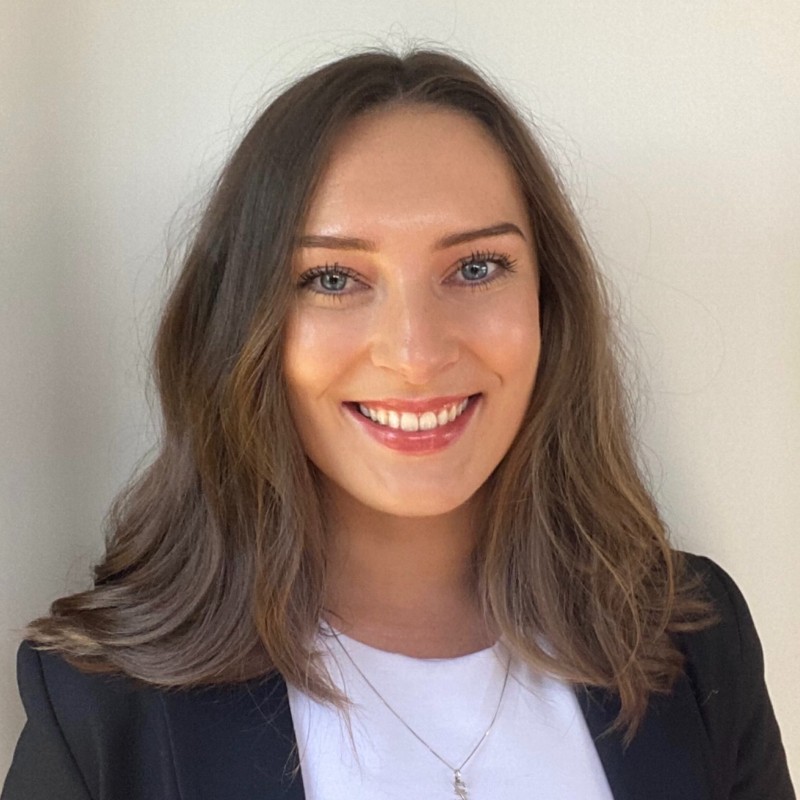
I’ve had a few significant life and career changes since my time on The Circle’s Rangatahi Advisoāry Panel (RAP) – not only a change in role and industry, but also a move across the ditch.
I started at Westpac as a graduate and quickly found a home within the sustainability team, in what was a mature ESG environment. I was lucky to be surrounded by people who were not only great at what they did but were also generous with their time and mentorship – they played a huge role in shaping my early career.
Just over a year ago, I made the move to Sydney and now work as Head of Sustainability Strategy and Impact for Siemens Limited in the region. With that move came a few dramatic shifts, stepping headfirst into a complex global environment with a very different offering to a financial institution has been a steep and valuable learning curve. Between learning a new industry, a new business, and a few Australian translations (jandals apparently being "thongs"), it's been a good reminder that growth often sits on the other side of change!
I look back fondly on my time with the RAP. It exposed me to conversations, perspectives and leadership experiences that continue to influence how I approach my work today.
Why Long-Term Thinking Matters
One of my concerns right now is the real pull towards the short term – what’s urgent, visible and easy to prioritise. This isn’t surprising, but it does make it harder to hold space for longer-term thinking.
You can see that quite clearly in sustainability. With so many competing pressures, globally and economically, long-term priorities can quickly get reframed through what is perceived as most immediate. For me, it reinforces why experiences like the Rangatahi Advisory Panel matter so much. It created space to step outside that dynamic and think more broadly outside of short-term constraints. The RAP brought different perspectives into the room in a way that felt genuine. Not just different roles or expertise, but different stages of life and ways of thinking. That mix changes the conversation, and I think it’s needed now more than ever.
Lessons from the RAP
One of the most valuable parts of the experience was the group itself. Being in a room with people from different backgrounds but with a shared sense of purpose was quite grounding. The confidence, influence and collective voice we built together were quite palpable by the end – and it was a strong reminder that a shared commitment to purpose, no matter where you come from or where you're working, is incredibly powerful.
Beyond that, some of the most impactful moments came through the political and leadership forums. Being a RAP member exposed me to people and conversations I otherwise wouldn't have experienced, building my confidence, contributing to senior decision-making spaces and navigating new environments.
It wasn’t so much about having all the answers but about learning how to contribute in those spaces – when to step in, how to frame your perspective and navigate conversations that felt unfamiliar.
Experiences like visiting Parliament, meeting with Ministers, and the opportunity to present at Government House really highlighted the level of trust The Circle had in us. It was a responsibility I didn't take lightly. Those experiences showed that The Circle genuinely believed in intergenerational thinking and in Rangatahi being part of those conversations. It felt considered and a necessary perspective for large organisations to consider. That mindset has influenced how I think about my role now and the responsibility that comes with having a seat at the table.
-2.png)
Shaping My Approach
A lot of what I do in sustainability now isn’t really about technical expertise. It’s more about how you work with people – how you influence thinking, shift perspectives and bring others on the journey.
Success in my role tends to come more from whether I can help someone look at a problem differently or approach something in a new way.
The RAP played a big role in how I think about communication. It’s easy to end up in a bit of an echo chamber at work where everyone speaks the same language and understands the same context. Within the RAP, peers would ask legitimate and curious questions about what sustainability actually meant in practice, and it made me think about how to communicate those concepts in a way that landed and wasn't just the language my colleagues and I used every day.
Another key learning was how to contribute meaningfully without always having deep experience – and recognising that it’s not always about being heard, but about understanding when you’re actually adding value. Moving across different contexts, from policy and advisory discussions to corporate and commercial settings, also meant learning to adjust how I showed up depending on the environment.
Advice for other Rangatahi
If I were to advise any Rangatahi, it would be to take time building credibility and clarity in your perspective. Understand what you genuinely believe in and what you're curious about. Find allies, mentors and champions.
From there, a lot of it comes back to people. Building genuine and strong relationships has been one of the most important things for me. I don't think that's just networking – I think that's creating and investing in real connections over time. Through those relationships, I've found people who genuinely advocated for me, challenged me and supported me in ways that I'm incredibly grateful for.
I also think how you show up plays a big role in that. Being reliable, collaborative and easy to work with builds trust within those circles, and that trust tends to open more doors than anything else. Create influence rather than waiting for permission or waiting for someone to come to you with an opportunity.
Some of my most significant and enduring relationships with mentors from Westpac started when I was a graduate. I didn’t have a sustainability background and was still figuring things out, but I showed up with curiosity and a willingness to learn, which seemed to go a long way.
-1%20(1).png)
Looking Back
I still keep in touch with people from The Circle and the RAP, both as friends and professionally, using them as sounding boards and people who challenge my thinking. That's probably one of the most lasting parts of the experience, and I feel so comfortable reaching out to anyone in that network, including The Circle, which is pretty special.
Looking back, the RAP gave me far more than the opportunity to contribute to important conversations. It connected me with a network of people who continue to inspire, challenge and support me, and reinforced the value of bringing diverse perspectives together to tackle complex problems.
-48.jpeg)
-47.jpeg)