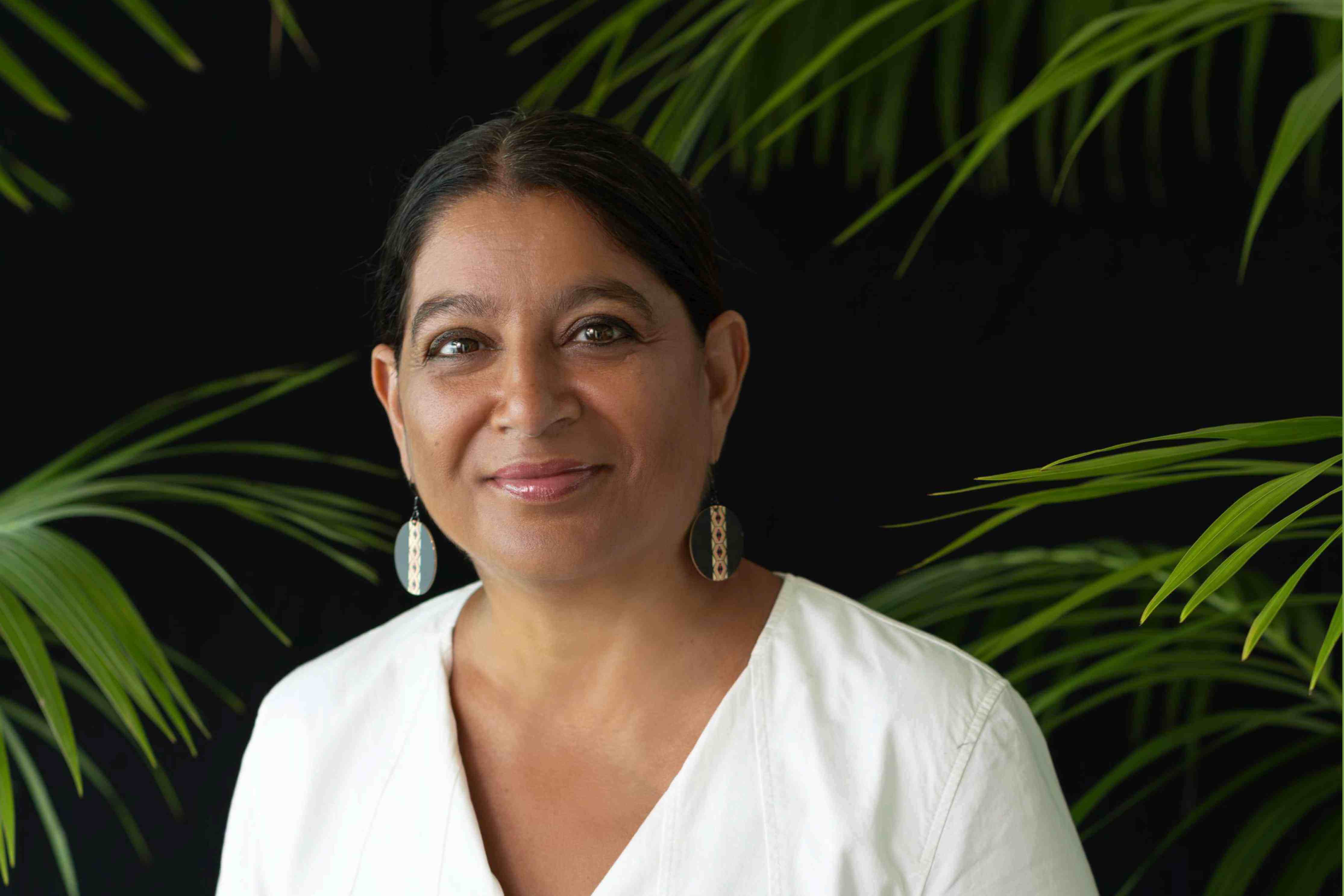
Carbon accounting had its turning point when investors, regulators and customers stopped treating it as optional. Toitū Envirocare Chief Executive Aisha Daji Punga believes nature has reached that same moment. In this month’s Partnership Perspective she explains why businesses that better measure what they depend on will be those that flourish.
Eighteen months ago, climate and nature sat in different parts of most businesses I worked with. Climate was becoming a board-level conversation, while nature was still filed under corporate responsibility, if it was discussed at all. That gap is closing fast. Nature was once seen as only an 'environmental’ issue. Now it's discussed as a matter of risk and long-term value.
Nature is no longer sitting alongside business performance. Increasingly, it is intrinsically linked to it. Helping organisations make that shift, from talking about nature to acting on it, is where Toitū Envirocare comes in: our clients measure climate and nature impacts, and turn that measurement into real reduction and action, not just a reporting exercise, with Climate Impact & Enviromark Certifications.
I have seen this pattern before with carbon. Measurement started as something only a handful of organisations bothered with. Investor expectations, regulation, customer demand and international markets pushed it into the mainstream. Nature is beginning the same journey.
New Zealand's economy and export success are tied closely to our natural capital, so this matters more here than most places. Accounting for nature means making those dependencies visible so they sit alongside the commercial measures a business already manages: risk, investment planning, board governance. It is not about putting a dollar figure on everything. It is recognising that nature provides productive infrastructure, resilience and long-term value, the same way anything else on a balance sheet does.
That shift changes what happens in the boardroom. Directors rarely struggle with why nature matters. What they struggle with is what it means for the decisions in front of them. Measurement moves that conversation from reporting into governance: what do we need to protect, invest in and govern. I saw this when I looked through The Aotearoa Circle's Natural Infrastructure Plan case studies. The return on investment was there in the numbers: infrastructure that lasts longer, costs less and needs less maintenance when nature is factored in from the outset, rather than added midway. It is a real mindset change, and one more organisations will need to make as their planning horizons stretch out.
It is part of why I see real value in The Circle's Putting Nature on the Balance Sheet bootcamp programme now underway. The work sits in exactly the space we are all trying to strengthen: giving leaders the measurement foundations to make nature part of how a business is actually run.
So where should businesses start? The easiest first step is measuring what is material to your business. I consistently see the same early wins: energy, waste and water savings. What determines whether that becomes lasting change is whether it stays embedded across the whole organisation, not just with one function trying to get visibility on it. That is also why this works better as a collective effort than a solo one.
That is where credible, independently verified evidence earns its place. It is what lets a business stand behind what it says, rather than simply state it, and it is the reason Toitū Envirocare anchors its own programmes in internationally recognised ISO standards, backed by accreditation rather than self-assessment. The organisations that succeed over the next decade will be the ones that understand their impacts and dependencies, invest wisely, and can demonstrate progress with evidence that holds up. Nature has reached the turning point carbon reached years ago. The businesses that start measuring now will be the ones ready to respond.
-48.jpeg)
-47.jpeg)