When Rayne van den Berg joined Tasmanian forestry company Forico as CFO, her Board challenged her to solve a problem about missing value. The company held 80,000 hectares of native forest that carried no material value on its books. Sell it, clear it, and it would be worth more to someone else. Keep it, protect and maintain and it counted for nothing in existing financial markets – in fact, it was costing the company cash flow each year to maintain, restore and protect.
Van den Berg is now Chief Value Officer at Value Australia, the Australian hub of the Capitals Coalition, helping organisations put a number on what nature is worth to their business – not just what financial markets are currently paying for. That expertise came from her time at Forico, a role that would prove to be one of the more pivotal moments of her career: the point at which she first learned how to put a number on the value of nature. She shared this story with two cohorts of New Zealand business leaders at The Aotearoa Circle's Putting Nature on the Balance Sheet bootcamp, part of the Let's Account for Nature conversation.
Forico's predecessor was Gunns Limited, a name many in Tasmania and Australia still associate with a difficult period in the region's forestry history. New Forests acquired the estate in 2014 and built Forico as a new company with a mandate to manage it differently for long-term multi-capital value creation for the new investors. As Van den Berg recently shared in The Circle’s Putting Nature on the Balance Sheet bootcamp, she inherited a business already collecting natural capital data and sustainably managing the Estate, but with no clear way to show the value protected and created to the investors.
Working out what "differently" meant started, by her own account, with her background as an accountant sitting in a forest for more than an hour with ecologists and foresters, talking past each other. She spoke about return on investment, biomass measurement and inventory control. The ecologist spoke of vegetation condition and biodiversity. Neither understood the other's language, but both agreed on one thing: there was value in the forest.
Building a shared language for that value, one that could sit between ecology and finance, became the starting point for natural capital accounting at Forico.
The answer was natural capital accounting: treating the ecosystem services a forest provides (carbon storage, water filtration and habitat) as assets in their own right, valued conservatively and disclosed with the same rigour as financial accounts. The reports were then externally assured and published alongside the workings behind them.
"The punchline,” Van den Berg says, “is that there was about five times more value in all of these services for society than what was on our traditional balance sheet, and that essentially got the attention of my Board and our investors immediately."
What they found was that the gap between traditional balance sheet value and total value to society became the case for treating the land differently. Not just a forestry asset, but a natural capital asset class, with diversified income potential across carbon markets, water markets and emerging biodiversity markets alongside timber.
What van den Berg didn't expect was who would show up in support. Groups that had previously opposed the estate under its old ownership, including the Wilderness Society, stood alongside Forico at its report announcements for the next five years.
"The exciting bit, which we didn't expect, is that when we launched our first report back in 2020, the people who most supported us and stood next to us in all of our launch events were actually the same people that were tied to the bulldozers ten years earlier."
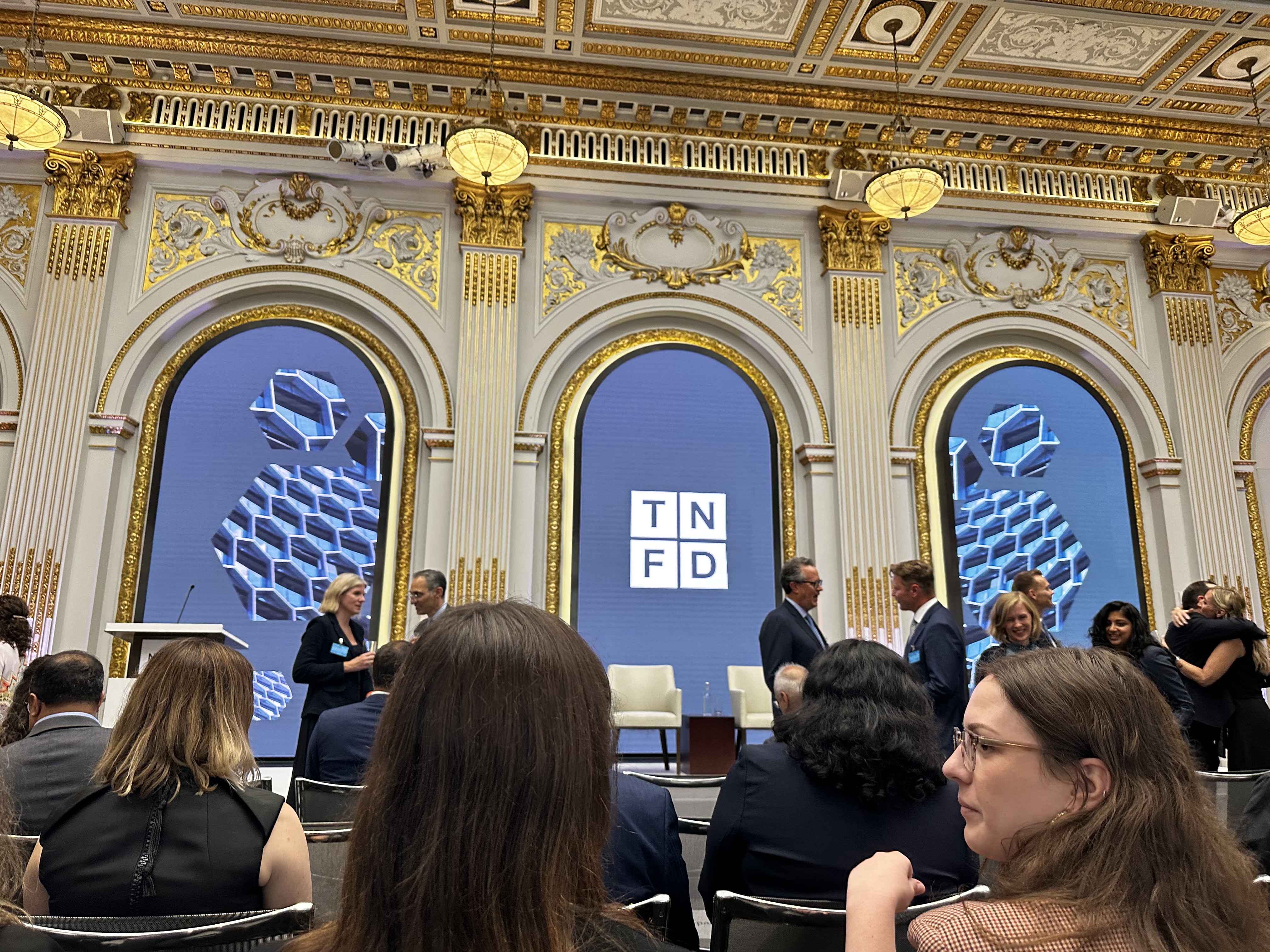
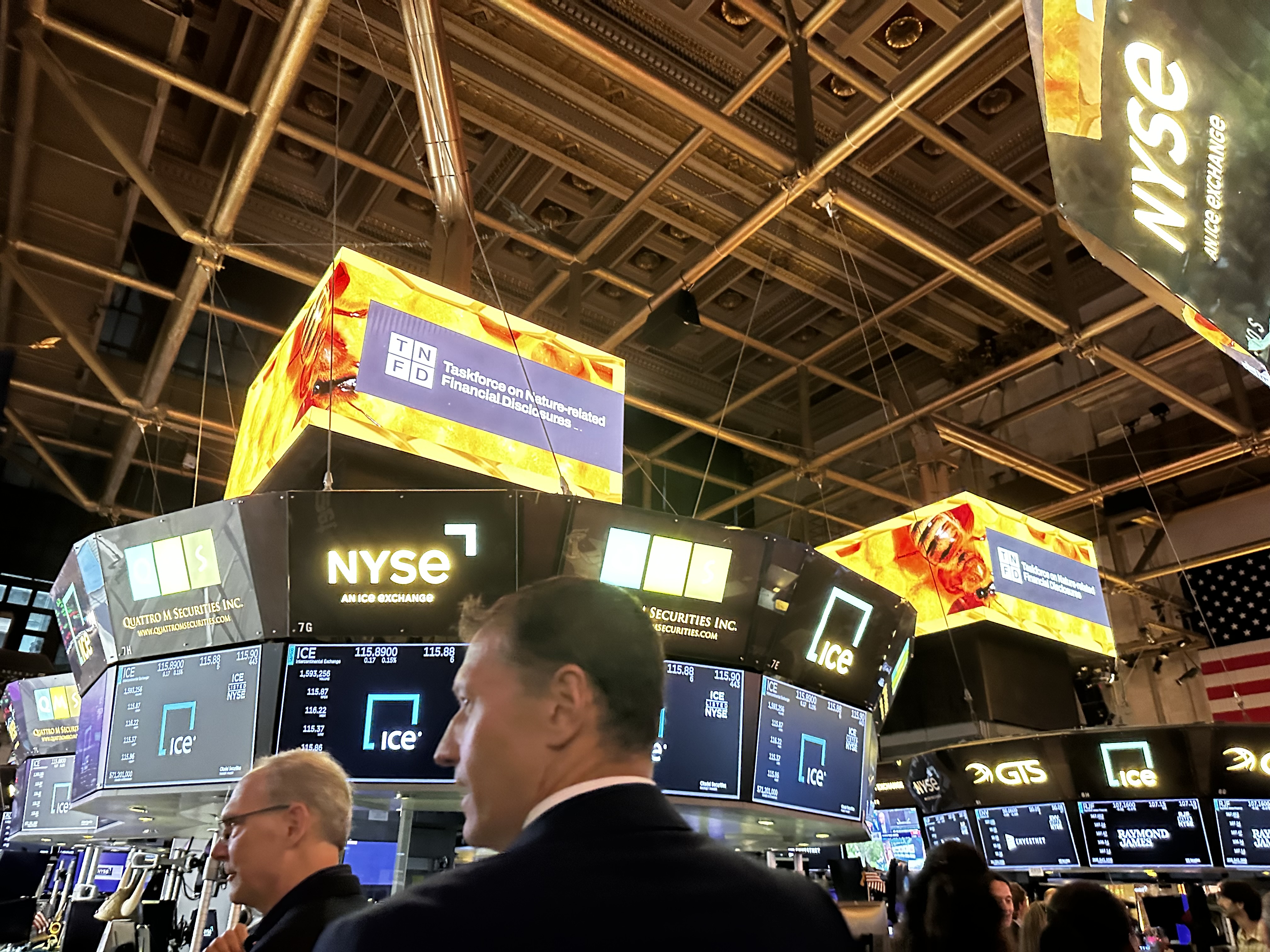
Their reasoning wasn't agreement on every number. It was that the company was disclosing its thinking transparently and valuing what they also valued, even if the quantum of the figures was up for discussion. That transparency did more for Forico's credibility than the dollar value itself. The natural capital reports led to an invitation to New York Climate Week, where Forico's disclosure was presented as one of the earliest examples of integrated climate and nature reporting anywhere in the world, and has since been downloaded more than 60,000 times.
As Van den Berg says, the underlying argument is a simple one: the value was always there. “Natural capital accounting doesn't create it; it makes it visible to the people who make investment decisions, in the language they already use.”
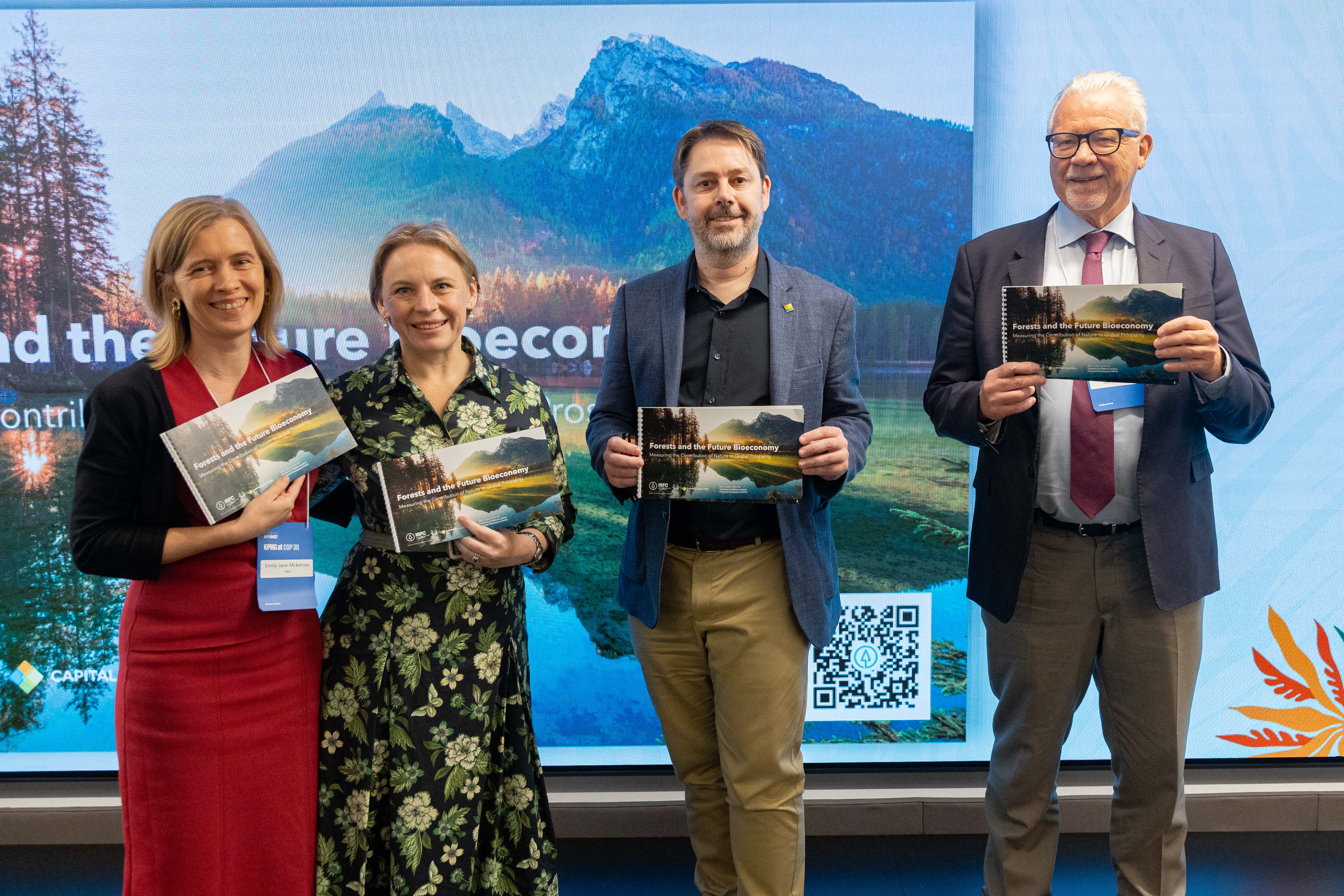
Forico has since become the starting point for a much larger project: 18 of the world's leading forestry investors, stewarding tens of millions of hectares across dozens of countries, are now applying the same approach. Their final consolidated report is due for international release on 5 November this year. In agriculture, the same question is being asked of farms: does healthier natural capital actually make a business more productive, profitable and resilient?
Find out more at Account4Nature, including how to register for our next Putting Nature on the Balance Sheet bootcamp and useful natural capital accounting tools and resources.

-48.jpeg)