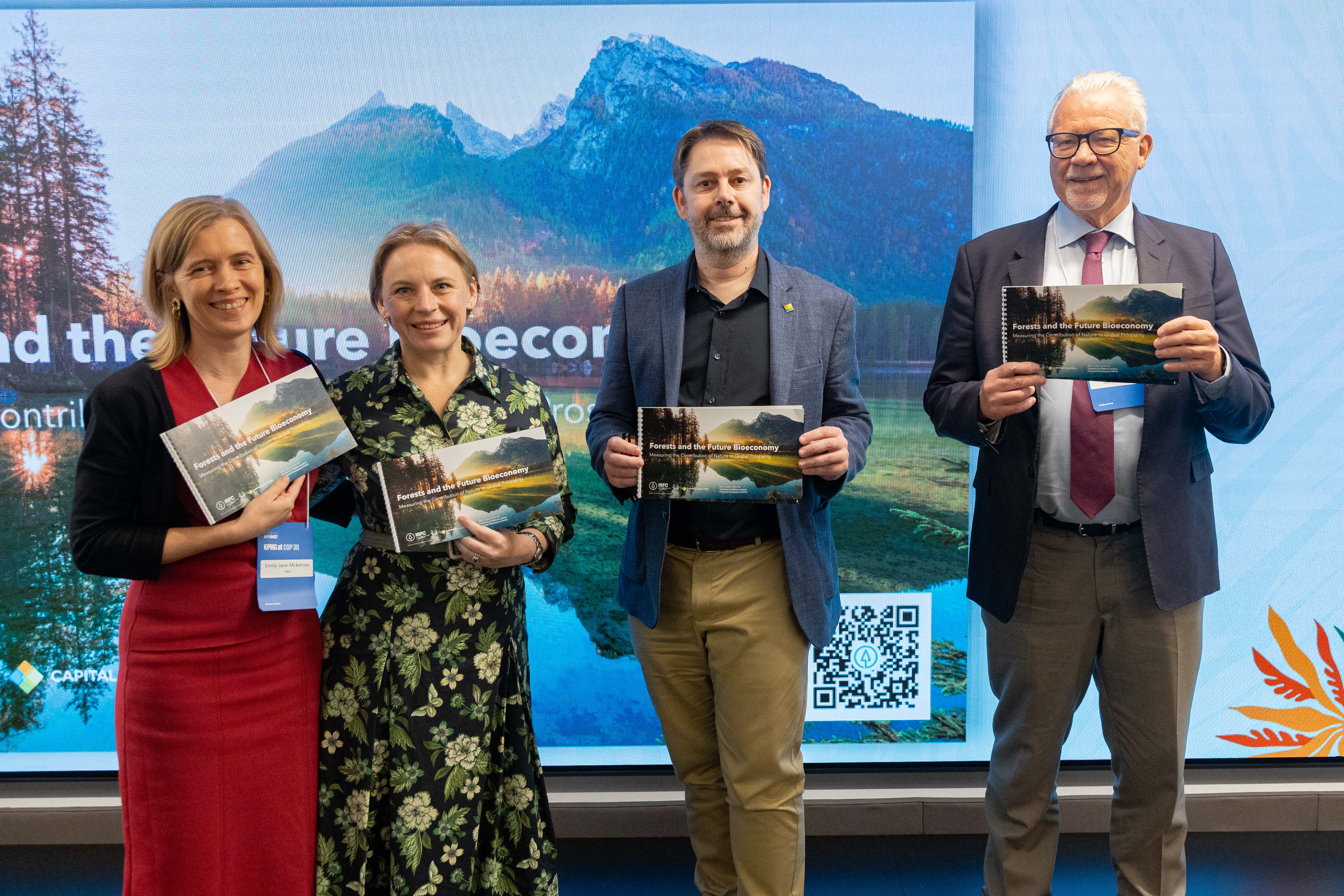
by Vittoria Shortt, Chief Executive, ASB
Banks play a key role in the restoration and protection of New Zealand’s natural capital - the foundation of our economy. Beyond providing finance, they’re enablers of change, managers of risk for future resilience, and essential partners in building an economy that values and invests in our natural assets.
As part of our CEO Perspective Series, we asked Leading Partner, Vittoria Shortt, Chief Executive Officer and Managing Director of ASB Bank, to reflect on what’s shaped her approach to helping accelerate progress for all New Zealanders – including our environment.
At ASB, we draw a lot of inspiration from our whakapapa, our heritage of 178 years. Since its inception, ASB’s purpose and actions have centred on supporting communities and maintaining a strong connection to the land.
ASB MAGS Farm: A Living Example
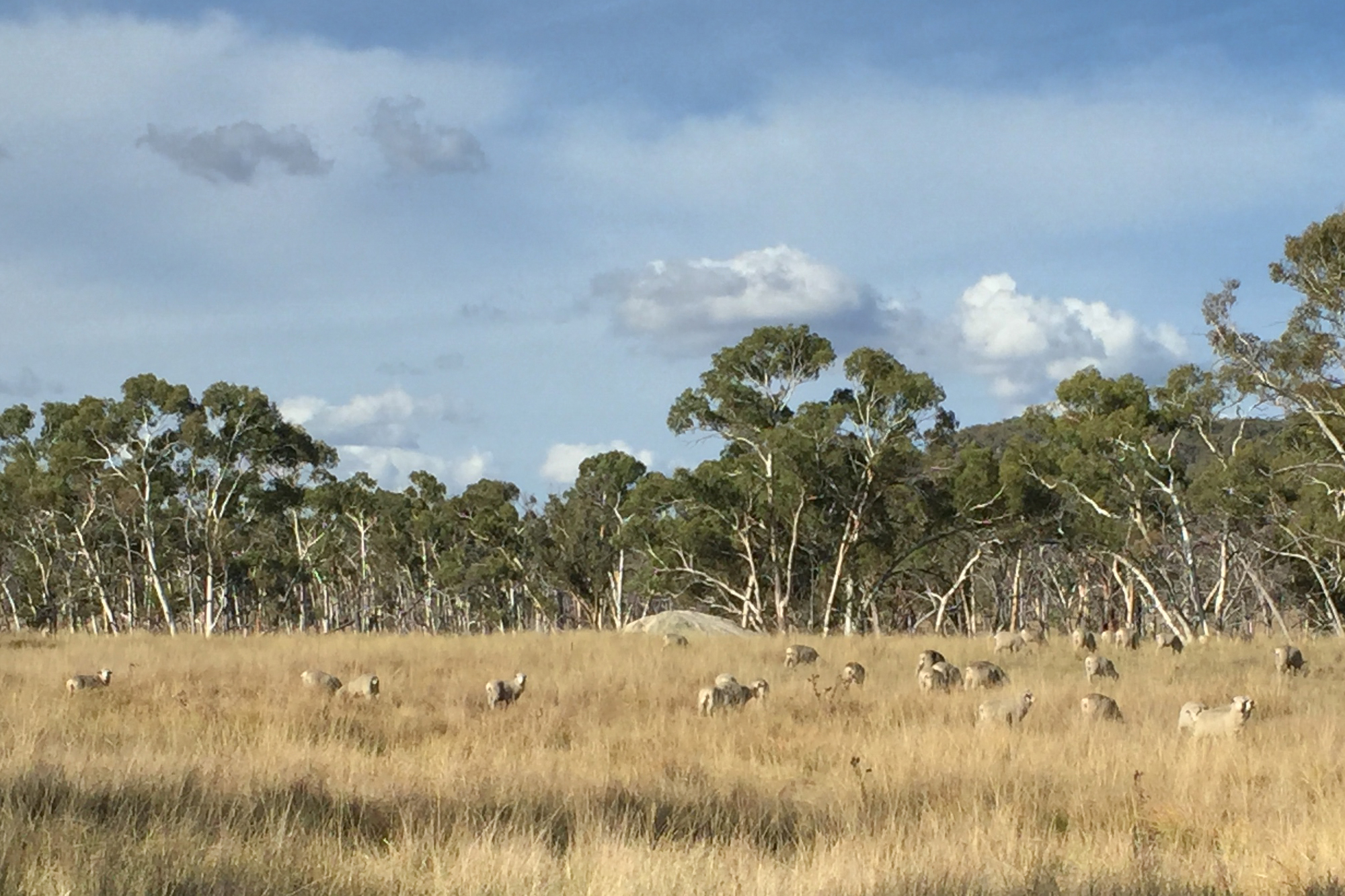
ASB MAGS Farm is a good example of this. The farm was originally purchased in 1932 as a visionary partnership between ASB and Auckland’s Mount Albert Grammar School (MAGS). The intention was to provide practical, hands-on agricultural education to young New Zealanders, ensuring the next generation gained both the knowledge and the values needed to support the future of the country’s primary industries. Over the decades, ASB MAGS Farm has become an enduring symbol of our commitment to community development and innovation in agriculture, reflecting our belief that investing in people and land yields benefits for generations.
Prosperity and Environmental Health: An Inseparable Relationship
For Aotearoa, the nation’s prosperity is fundamentally linked to the health of its environment. The vital resources - land, water, and biodiversity - that fuel the economy are under increasing pressure. Protecting and restoring these foundations demands leadership at the highest levels, guided by courage and clarity.
Reflecting on the past provides valuable guidance for shaping the future. New Zealand is entering a transformative era marked by shifting geopolitics, rapid technological advancements, demographic changes, and a climate crisis that calls for urgent action. In this context, businesses can no longer afford to operate in isolation from environmental realities. The economy and environment are deeply interconnected, with natural capital underpinning everything from housing and infrastructure to innovation and growth.
The Export Economy and Natural Resources
As an exporting nation, New Zealand’s economic well-being is closely tied to its ability to sell goods and services internationally. Approximately 30% of the country’s gross domestic product is generated through exports, with primary industries such as agriculture and food production comprising the largest share. This reliance on the export sector highlights the fundamental connection between our natural resources and our national prosperity. The health and sustainability of these industries are therefore not only critical for economic growth but also for safeguarding the natural capital that underpins them.
Free trade agreements expand our access to global markets, and two of our most important agreements with the European Union and the United Kingdom, have sustainability and climate requirements, which we must adhere to. At ASB, we are supporting food and fibre businesses with access to trade connections to help them scale up and take advantage of the trade agreements we have in place. There are economic opportunities to be realised if we reframe the challenge and look for new solutions
Banks’ Broader Role in Economic Transformation
Beyond food and fibre, banks have a key role to play in unlocking capital for infrastructure, renewable energy, and affordable housing that is essential to future-proof our economy. Electrifying the economy, investing in climate-resilient infrastructure, and supporting innovation in sectors like agri-tech are steps that will enable long-term growth while reducing emissions. These priorities require collaboration across communities, government, industry, and regulators to scale new opportunities and ensure capital flows where it matters most.
Embedding Sustainability in Leadership
Leadership at a strategic and governance level is key. Boards and executive teams must embed sustainability into decision-making, not as a compliance exercise but as a core driver of value creation. At ASB, our values of courage (Māia), care (Manaakitanga), and curiosity (Kia Mahira)—are vital to this journey. They remind us that progress must be bold, inclusive, and informed by continuous learning.
Meeting the Challenges and Moving Forward Together
New Zealand faces significant challenges, including housing, productivity, and the need to transition to a low-emissions economy. Addressing these challenges requires collective action, and natural capital must be central to our economic strategy - not treated as an afterthought.
We’ll never get there on our own, but if we work together, we can make great progress.
The enduring solution will be one that is created collectively and remains sustainable for communities, economies, and the environment.

-48.jpeg)