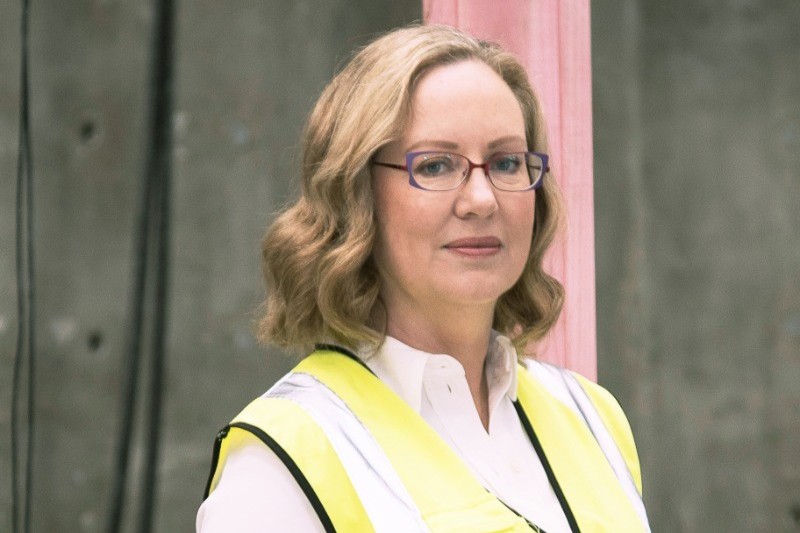
By Claire Falck – CEO, Building Research Association of New Zealand (BRANZ)
The building and construction sector is critical to Aotearoa New Zealand’s economy, contributing over $17 billion to our GDP. But it also brings big environmental challenges, making up around 20% of our carbon emissions and over 60% of our total waste. Building just one new home can create about 4 tonnes of waste, with material costs worth about $31,000.
At BRANZ, we believe we can do better.
For over 50 years, BRANZ has been a trusted, independent expert in building and construction. We provide practical research, testing, quality assurance and tools that drive real change. Our focus is on supporting buildings that are affordable, high-quality, resilient, and sustainable. These aren’t competing goals, they’re connected. And by working together, we can achieve them.
Practical solutions for cost-effective homes
Affordability is always a major concern, with New Zealand among the least affordable housing markets in the OECD. But better buildings don’t always have to come at a higher cost. Smarter design, using fit-for-purpose materials, and building it right the first time is more cost-effective long-term, and better for both people and the planet.
Next month, we’re launching an open-source design for a three-bedroom home that uses 45–55% less carbon than a standard build. It’s fully costed, designed for real Kiwi lifestyles, and we’re working with MBIE to gain MultiProof approval to streamline the consenting process. It’s a practical example of how we can build quality, resilient, and sustainable homes that don’t cost the earth.
Building resilience for Aotearoa’s unique environment
In New Zealand, our homes face some of the world’s toughest conditions: high UV and corrosion, earthquakes, flooding, and geothermal activity. Since 1973, we’ve tested materials at outdoor sites in our harshest environments – and recently, we’ve shown that corrosion is off the charts in the Chatham Islands. A 1mm plate of carbon steel, which usually lasts over 50 years, disappeared in just 1 year there. That’s 22 times faster than inland New Zealand and nearly double the highest corrosion rates recorded in Europe. Locals have told us that iron roofing only lasts about 25 years, number 8 wire has about 10 years’ life, and ungalvanized nails rust in about 18 months.
Our scientists believe this could be a preview of what climate change may bring to other parts of New Zealand. As more salt and wind are predicted along our coastline, using the wrong materials could mean early failure and wasted investment. We need to be ready for this future, and BRANZ is working to provide the evidence for buildings to stand the test of time.
Working together to find real-world solutions
We believe that the most powerful tool we have isn’t data or design: it’s collaboration.
No single organisation can solve these challenges alone. That’s why we work closely with builders, designers, scientists, policymakers, and communities to co-create solutions that work in the real world. Our partnerships, like the one we have with the Aotearoa Circle, helps to align our efforts, share knowledge, and speed up progress.
Looking ahead to 2035, we see a future where buildings are designed not just for use but also for reuse and future change, and where materials are part of a circular economy. Where the focus shifts from upfront costs to long-term value.
At BRANZ, we’re proud to be part of this mahi. Our goal is to make it easier for everyone in the building and construction sector to make informed choices, for their clients, for the environment, and for future generations.
-48.jpeg)