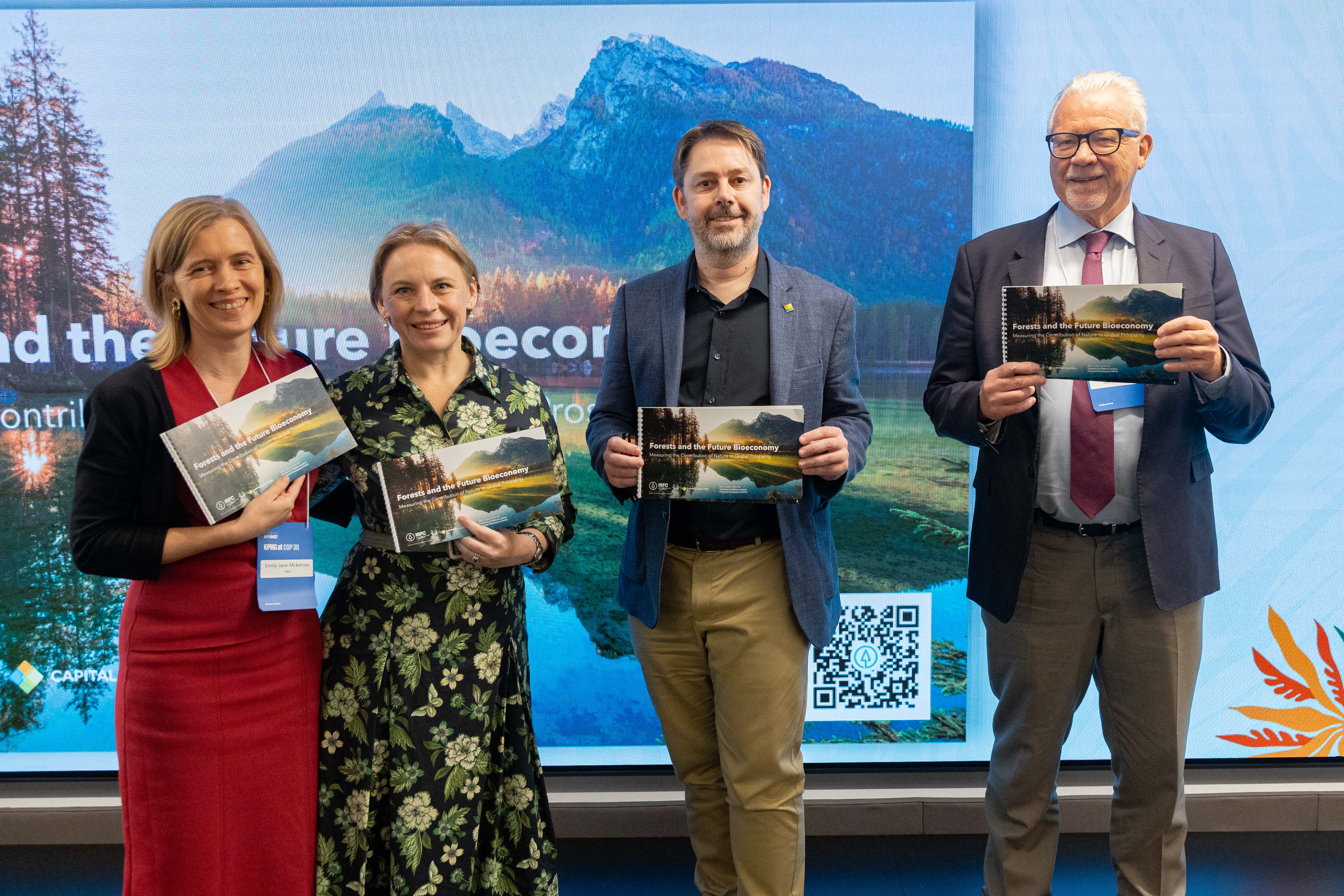
As 2026 gets underway, some of our leading partner CEOs are sharing their perspectives on what will shape New Zealand’s economic, environmental and national direction in the year ahead.
For Malcolm Johns, Chief Executive of Genesis Energy, the message is unequivocal: energy underpins prosperity.
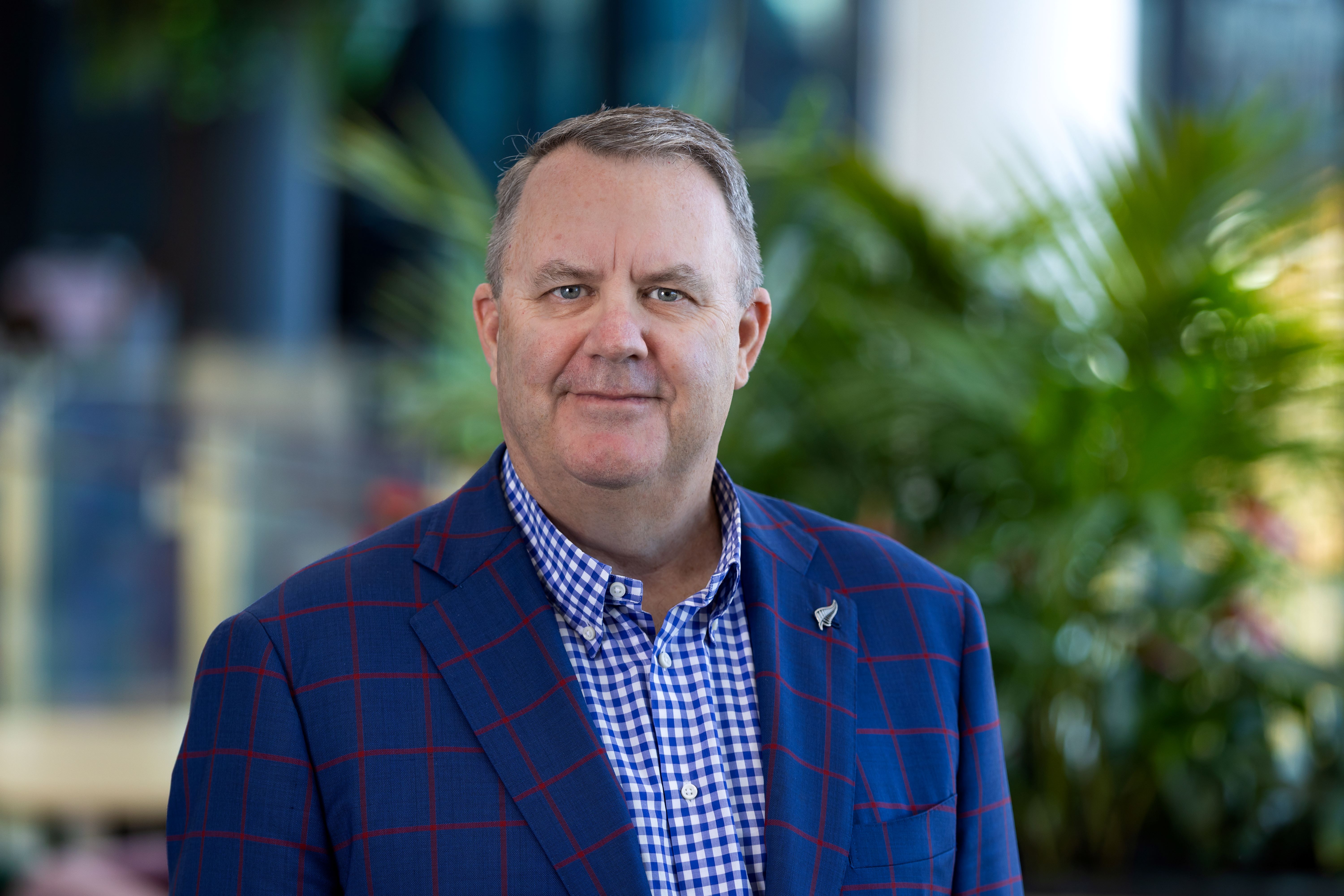
“This year we’ll see continuation of the building of renewable generation, but long-term infrastructure security will require big investment. The electrification of transport, industrial heat, and data centres are big drivers of demand growth.
“I’m excited by the benefits AI offers not just our sector, but New Zealand. We have an amazing opportunity to unlock stronger, more resilient growth by increasing productivity. New Zealand has low capital intensity per full-time employee and low impact of technology in the workplace. AI offers New Zealand a productivity gain that can supercharge outcomes.
“AI is already having a beneficial impact on our generation fleet in improving efficiency, reliability and availability and operational flexibility. We just have to work out how we’re going to accommodate data centres in the New Zealand electricity system.”
Energy security is also front of mind. Genesis, with Contact, Meridian and Mercury, have entered into agreements known as the Strategic Energy Reserve Huntly Firming Options (HFOs). These arrangements provide access to generation from Huntly Power Station, a critical backup to the national grid when renewable generation from wind, hydro and sun falls short.
As Malcom notes, “It’s a good example of the sector working hard to cover energy security as New Zealand continues to grow.”
Looking ahead to what he describes as a period of economic ‘revival’, Malcolm is clear that the fundamentals must come first.
“New Zealand’s productivity and national debt outlook need a step change if future generations are to enjoy a decent standard of living. A national programme of simplification and standardisation of core regulations, including those relating to building and infrastructure, is critical. Just as important is a shared mission, and for me that is to ensure New Zealand is the best place in the world to be a Kiwi.”
Like Malcolm Johns, Fonterra CEO Miles Hurrell sees artificial intelligence playing a growing role in unlocking productivity and growth – not just for the Co-operative, but for the country as a whole this year.
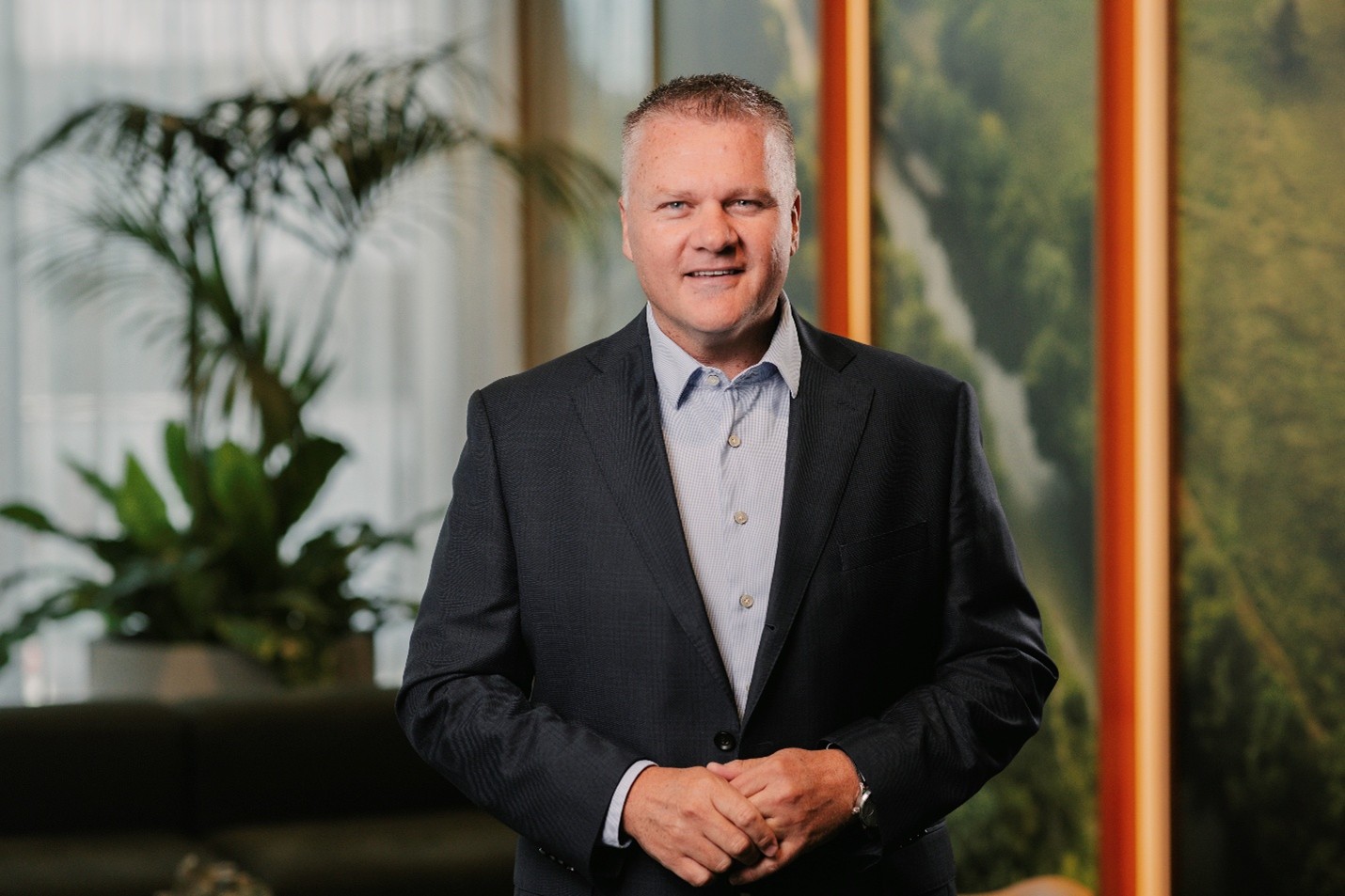
“We’re operating in a rapidly changing world and need to embrace technology to stay ahead. AI will continue to play an important role in how we all work and presents a huge opportunity for New Zealand. For the co-op, AI and automation is helping us make the most of our farmer owner’s milk by driving innovation, improving efficiencies and unlocking value.”
Fonterra is also undertaking a strategic shift to focus on its global Ingredients and Foodservice businesses as part of a wider plan to create more value for shareholders and secure an enduring co-operative for future generations.
“I’m excited by the opportunity presented this year to grow further value for farmers and New Zealand by partnering with customers who value our high quality, innovative products,” Miles says. “To support long-term growth in our Ingredients and Foodservice channels, this year we’re expecting to complete construction of our advanced protein hub at our Studholme manufacturing site and new UHT cream capacity at our Edendale site.
“Sustainability will remain a focus and 2026 will see construction continue on two electrode boilers as part of a $70 million investment to support our move away from coal.”
The investment supports the Co-op’s broader sustainability strategy contributing to emissions reduction targets and a goal of net zero by 2050.
With an election on the horizon, Miles believes long-term economic and environmental prosperity would be strengthened by enduring, bipartisan reform of development and infrastructure planning to underpin sustainable investment and growth.
From premium dairy to premium beef and lamb. For Dan Boulton, CEO of Silver Fern Farms, 2026 marks a positive evolution.
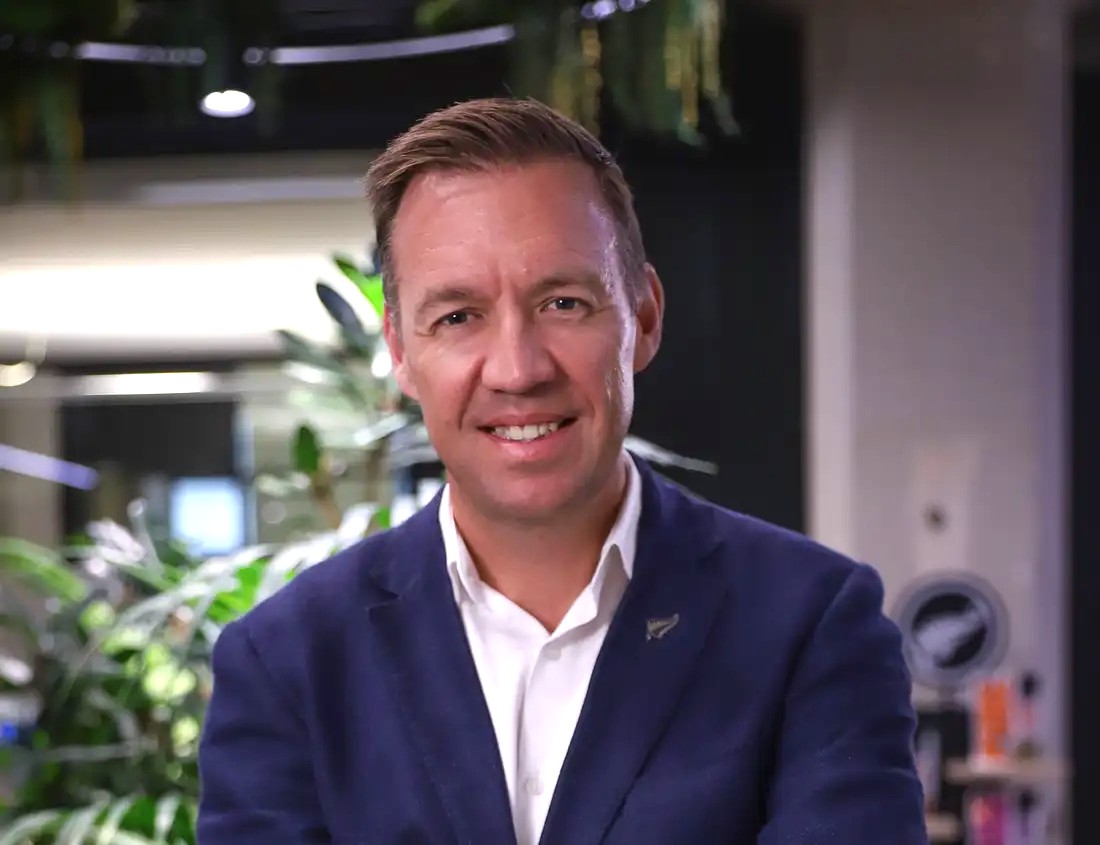
“I am most looking forward to seeing our farmers getting paid for their stewardship. For too long, conservation has been a cost centre for farmers; in 2026, we are turning it into a revenue stream.
“We are moving past the design phase of our Nature Positive Programme and seeing real commercial value flow back to the farm gate. We now have over 600 farms certified under NZFAP+, and we are actively monetising farm-system and nature data through our partnerships with leading global retailers.”
Dan says is also excited to see Silver Fern Farms’ Nature Market Accelerator, alongside Toha and Prism, stand up, and prove out that when you measure and verify on-farm biodiversity, you unlock new capital. “Making nature data trusted and tradable within value chains is a key shift and will underpin the ability for New Zealand producers to shift from volume to value and maintain access to high-value markets.”
And when asked about the biggest opportunity for Aotearoa New Zealand to unlock stronger, more resilient growth in 2026 Dan is frank.
“The biggest opportunity is to stop viewing nature as a nice-to-have and start managing it a valuable business asset. A key opportunity for the primary sector lies in nature intelligence - building a national system where verified data on soil, water, and biodiversity becomes a competitive advantage. If we can prove our nature credentials with hard data - proof, not promises - we de-risk our trade relationships and justify premium pricing in a world that is increasingly wary of greenwashing.”
And in an election year, Dan has one ask of government. “Don't just regulate to stop the bad; build the market architecture that rewards the good. Let’s make stewardship bankable,” he says. “My ask is for regulatory coherence that unlocks investment in nature, rather than just ensuring compliance. We need a framework that treats on-farm nature - wetlands, native bush, soil carbon - as recognised assets that can be invested in, and we need the Government to play a strong role in seeding that investment. Once we get catalytic investment into the nature market at scale, risk profiles will shift, and we’ll see private capital flow into restoration.”
Dan stresses that for Silver Fern Farms, and its farmers, a nature positive future isn't a marketing exercise. “It’s grounded in the strong connection farmers have to the land, and strong market signals – ultimately it’s an acknowledgement that a shift in mindset, from extraction to reciprocal exchange, is what will ultimately secure our social license and our economic future.”
For ANZ Bank New Zealand CEO Antonia Watson, 2025 laid a firm foundation for the year ahead. She says sustainable finance is also shifting decisively from the margins to the mainstream.
“Over the past year we have seen strong, growing momentum in sustainable finance and in the work our customers are doing to transition to a low emission, climate resilient future. We are on track to deliver ANZ New Zealand’s target to fund and facilitate at least $20 billion in social and environmental outcomes by 2030. In FY2025 we achieved over $6 billion towards that target which gives us confidence we can continue to scale. By helping customers invest in emissions reduction and resilience, we are embedding sustainability into everyday finance.”
Antonia sees New Zealand’s long-term growth and innovation as inseparable from its trusted export provenance and competitive advantage.
“By earning a premium for high integrity products rather than simply increasing volumes, and by aligning finance with clear, bipartisan policy settings that value and protect nature, we can lift export value, create jobs and build a more resilient, prosperous economy. The finance sector has an important role to play by supporting customers with tools such as sustainability linked loans, and by providing insights that help businesses understand and navigate their transition.”
She is clear that aligned, bipartisan policy settings are critical to unlocking this opportunity.
“New Zealand can lift export value by earning a premium for high integrity products. Clear direction of travel will give all sectors the confidence to invest, participate and benefit in a low-emissions, and climate resilient future.”
When asked of one ask of Government this year that could enable long-term economic and environmental prosperity for New Zealanders, Vittoria Shortt, Chief Executive of ASB, points to KiwiSaver.

“Changes to KiwiSaver that encourage and improve New Zealanders’ contribution rates and ensuring the overall integrity of the KiwiSaver scheme is maintained and consistent are needed to give ongoing confidence for members and their long-term planning.”
She is equally clear on the biggest opportunity for unlocking stronger, more resilient growth.
“For long-term prosperity New Zealand needs to become more productive. We are backing business customers to boost their productivity using artificial intelligence and technology in partnership with the New Zealand Product Accelerator and universities. Following a successful pilot, the programme is being scaled up this year to match up to 100 ASB business customers with AI and data science master’s students to work on their business.”
Vittoria is excited by the opportunities the bank’s continued technology investments present.
“It’s exciting because of the benefits we expect to deliver – not only for our customers but also for our people. Simplifying banking makes it easier for our people to and better serves our customers,” she says. “Examples of this is the introduction of ‘Confirmation of Payee’ which gives our customers confidence in who they’re paying and protects against fraud and scams. Another example is our contact centre technology which helps get our customers to the best person more quickly – saving time for our customers and our contact centre teams. The AI we are using in our contact centres is also now providing automated solutions to simple customer queries, therefore freeing our agents up to better support our customers with more complex and urgent queries.”
Consideration of dependencies is one of the areas Catherine McGrath, Westpac NZ CEO is reflecting on as we start our new year.
“So many of our customers’ businesses are dependent on natural capital, which in turn means our book carries that risk. We think it’s important to be proactive in our response to this, so we’re reporting our natural capital exposure as well as providing products such as our Sustainable Farm Loan and Sustainable Business Loan, which support our customers to invest in restoring and strengthening nature.”
Catherine continues. “From our customers’ perspective, these things are also simply good business management, serving to make their operations more resilient as well as meeting the demands of international markets.”
Looking to the next 11 months, Catherine says she is excited about the interest and innovation in sustainable finance as a lever to support natural capital outcomes.
“Auckland Council’s Sustainability-Linked Bond, issued last year, was a great example of this – it was the first bond in Australasia to include a nature-based target and demonstrates how sustainable finance can incentivise positive nature-based outcomes, carbon sequestration and improved climate resilience.
“We also expect to see continued interest in Westpac’s Sustainable Farm Loan – as at 30 September 2025 that product represented 48% of our agribusiness term lending book and feedback from our customers has been really positive. By the end of 2026, we’ll see large numbers of those customers completing their two-year AsureQuality audits to verify that they have met the Westpac Sustainable Farm Standard, which includes practices that regenerate soil health, enhance biodiversity, and safeguard water and ecosystem resilience.”
When it comes to sector opportunities for Aotearoa New Zealand to unlock stronger, more resilient growth in 2026, Catherine points to transitioning to a more sustainable marine economy/blue economy as an area with huge potential for our economy and environment.
“We recently announced a partnership with the Nelson Regional Development Agency and Kernohan Engineering to support innovation in this area. And renewable energy is another sector where we see a lot of opportunity – the transition is going to become more pressing for households, not to mention cheaper, and we expect to see continued investment in solar, in particular.”
And for the last word, we asked Catherine her one ask of Government to enable long-term economic and environmental prosperity.
“We strongly support the Government’s focus on nature-based solutions, including the role of nature as critical infrastructure, to help address the challenges presented by climate change. We hope to see this continue as a focus and critically to see a bipartisan approach to these important issues.”
Each month, we feature perspectives from our Partner CEOs. Subscribe to our newsletter or click here to explore the full series.

-48.jpeg)