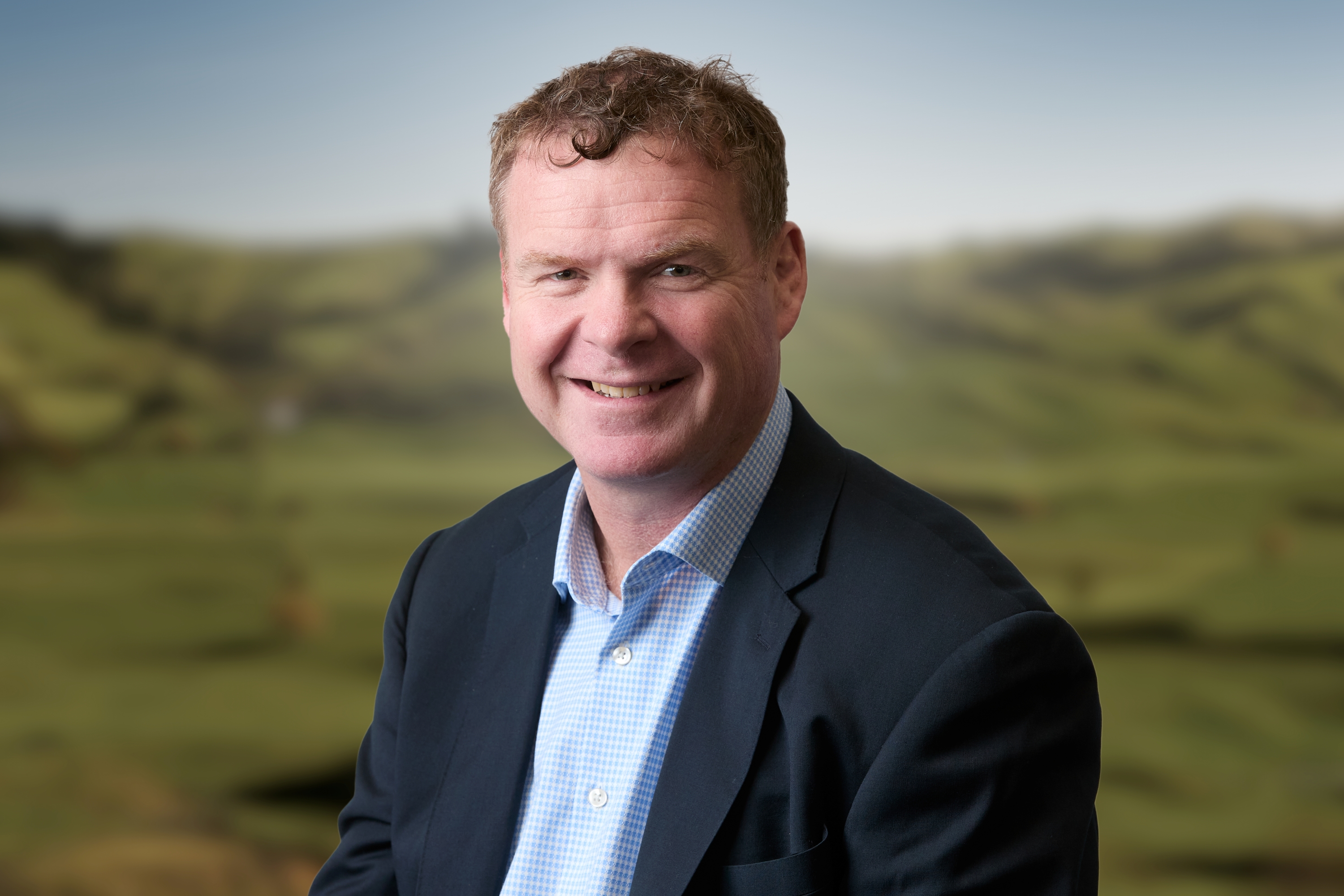
By Todd Charteris, Chief Executive, Rabobank
Eight years into my role as CEO, I still get huge energy from the challenges and opportunities around us. The world’s changing fast, and agriculture is at the centre of that change.
We already know that New Zealand farmers are among the most efficient and resilient in the world. They’ve been adapting to change and climate variability for generations.
What’s different now is the pace and scale of that change, and our job is to help them manage through it, not tell them how to farm. Ultimately, it’s about ensuring our farmers, our land, and our food systems stay strong for the long term.
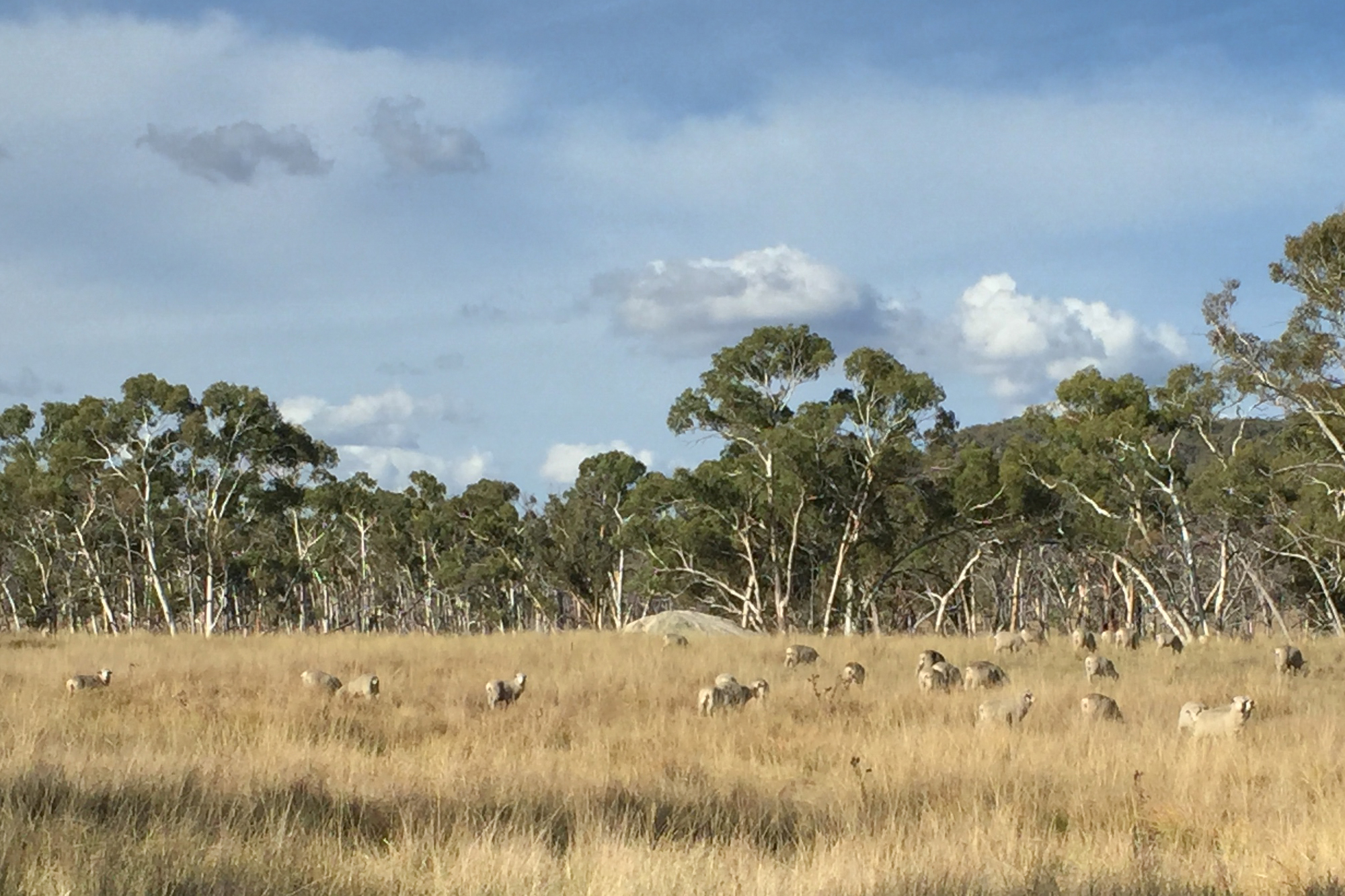
When it comes to sustainability, and managing our natural resources, farmers and growers are deeply connected to nature. They live and work in it every day. For most, sustainability isn’t about jargon or just emissions targets, it’s about soil health, water quality and animal welfare. It’s about looking after what they rely on now and for future generations.
For me, everything comes back to connection, to the land, to our clients, to our communities. Whether it’s a walk along the Waikato River on a Saturday morning or a visit to a farm on the East Coast. I’m constantly reminded of how intertwined we are with the environment around us. And that’s what drives me every day, helping our clients – who feed us all – continue to grow, while caring for the land and together, growing a stronger and better New Zealand.
Sometimes keeping economic, environmental, and social factors can feel at odds, but the key is to bring different perspectives together and manage the paradoxes that exist.
Our role at Rabobank NZ is to support that balance, to help farmers adapt, innovate and access the tools and technology they need. That’s why we became a founding shareholder in AgriZeroNZ, which is helping accelerate the development and adoption of technologies that reduce agricultural emissions.
It’s also why we’re a partner of The Aotearoa Circle. The Circle’s partnership principle means we can collectively tackle nature-related challenges impacting our environment and economy together.
As an example, I was on the Leadership Group for the development of the Circle’s Seafood Sector Adaptation Strategy, supported by KPMG, which demonstrated a shared sector commitment to adapting to climate change and working towards a more resilient future.
No one sector or entity can redress the impacts of climate change and the degradation of our natural resources alone. But if we put aside self-interest we collectively benefit.
I see this in my job regularly, and it’s one of my favourite parts of the role. I see the good that is happening in our rural communities, often without fanfare. From native planting projects to pest eradication groups, people are rolling up their sleeves and making a real difference for our country.
Imagine the impact if we all considered caring for the environment business as usual, not something on the side. That’s where we need to get to.
-48.jpeg)