The Aotearoa Circle recently released its first Impact Report, highlighting what has been achieved with our Partners since 2019, and the growing momentum behind strengthening Aotearoa New Zealand’s climate, nature and economic resilience.
This week we’re spotlighting one of the report’s impact case studies, featuring Circle Partner Pāmu and how cross-sector collaboration led to the development of Agriculture Adaptation Climate Change Scenarios and Adaptation Roadmap but also on the ground action.
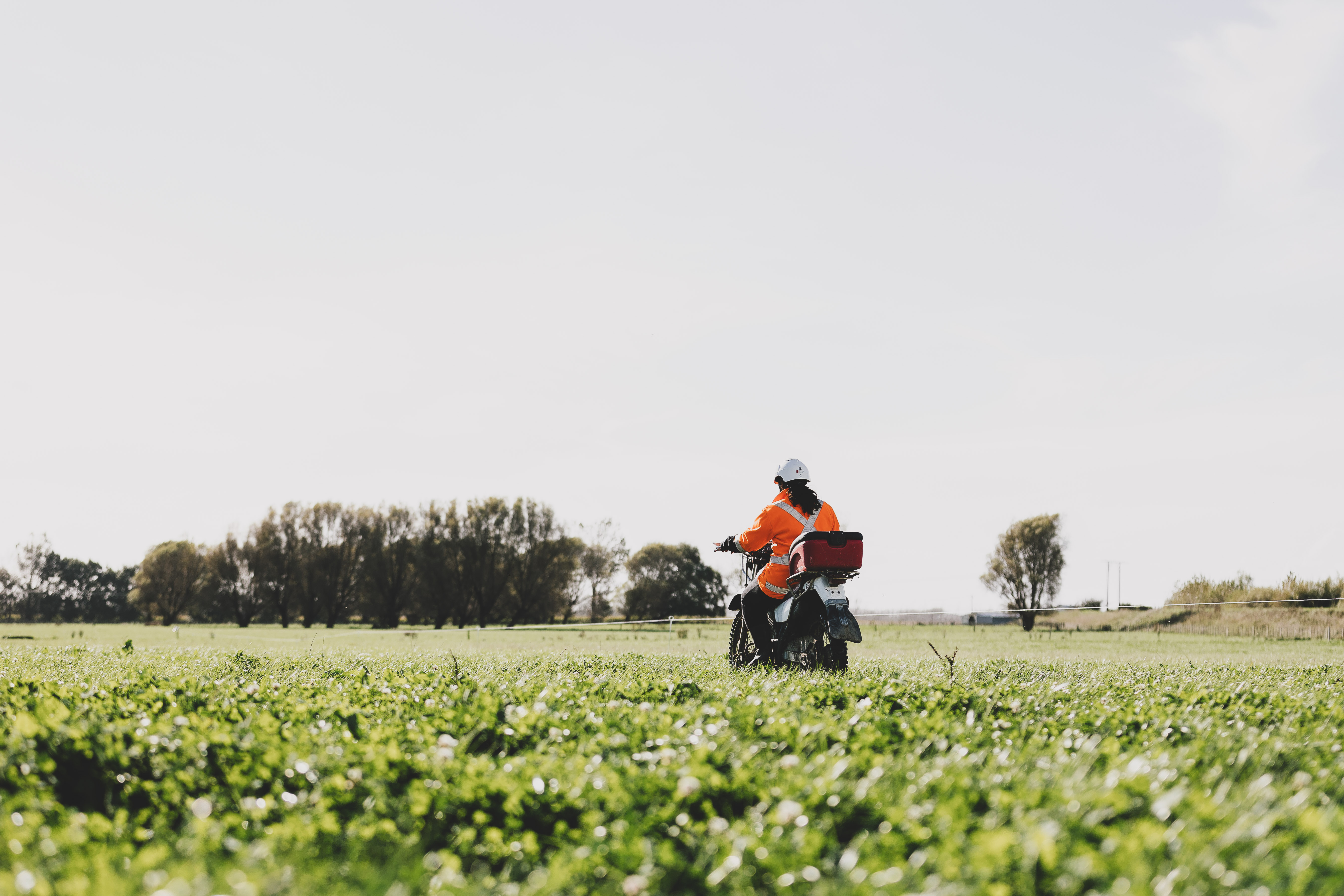
Pāmu has management over 100 farms, forests and horticultural operations across the country – spanning sheep, beef, deer and dairy, as well as growing horticulture, arable and forestry portfolios. The state-owned enterprise has been farming since 1886 and has long understood that environmental sustainability underpins economic prosperity.
.jpg)
But Sam Bridgman, Head of Sustainability at Pāmu, says understanding the impacts of climate change on the agricultural sector - and responding to the associated physical and transition risks and opportunities with clear, actionable initiatives – has been a complex process.
“To enable a sustainable business that is adapting to a changing climate Pāmu needed a robust climate transition plan,” he says. “Taking part in the development of The Circle’s Agri-Adaptation Scenarios in 2022 was an important step in our journey.”
Pāmu Chief Executive, Mark Leslie was on the Leadership Group formed as part of the agri-adaptation workstream along with 15 other senior sector leaders. Sam, himself joined a Technical Expert Group of over 50 participants, all seeking to support our largest sector be more resilience to the impacts of climate change to ensure continued productivity in the future.
The resulting Agri Sector Climate Change Scenarios, and subsequent Adaptation Roadmap, provide the agriculture sector with bespoke tools to help adapt to the impacts of climate change.
This New Zealand-first work was developed by agricultural leaders, climate scientists, and policy and finance experts -and underpinned by te ao Māori making them robust and practical tools for those in the sector to draw on. They explore plausible future climate impacts based on global warming trajectories, highlighting both the immediacy of these risks and the need for proactive adaptation. Crucially, they established a shared evidence base for the sector, while setting out a vision for a sustainable, climate-resilient food system that supports prosperous, thriving communities.
Sam Bridgman adds, “A number of our team were involved depending on the development stage and expertise needed. Participating directly allowed us not just to contribute our own insights and expertise, but also to listen to different perspectives, gain further knowledge and make new connections. It embedded climate resilience action further in the business.
“The resulting scenarios and adaptation plan enabled us to develop our own Climate Transition Plan through a better sector level understanding of the barriers to adaptation and the implications of those challenges,” Sam continues.
“Having agreed adaptation scenarios across the agricultural sector has meant that we can collaborate with other peers on resilience actions, as we have all started from the same base analysis and understanding, it also allowed further sector discussions and identification of collaboration opportunities across the value chain.”
Pāmu used the scenarios as a foundation to build its business-specific risks and opportunities. “The scenarios were instrumental in the creation of the Pāmu Climate Transition Plan,” Sam adds. “Using this established framework validated the assumptions used for disclosures.”
The impact of this work continues to be felt.
Pāmu released a Climate Related Disclosure in 2023. Two years later, Pāmu developed its first Climate Transition Plan setting out its priorities and initial actions to strengthen climate resilience. The approach is helping Pāmu adapt land use, strengthen resilience, and meet market expectations – ensuring they can continue to successfully farm under a more volatile climate. Updates are provided in the annual Integrated Report.
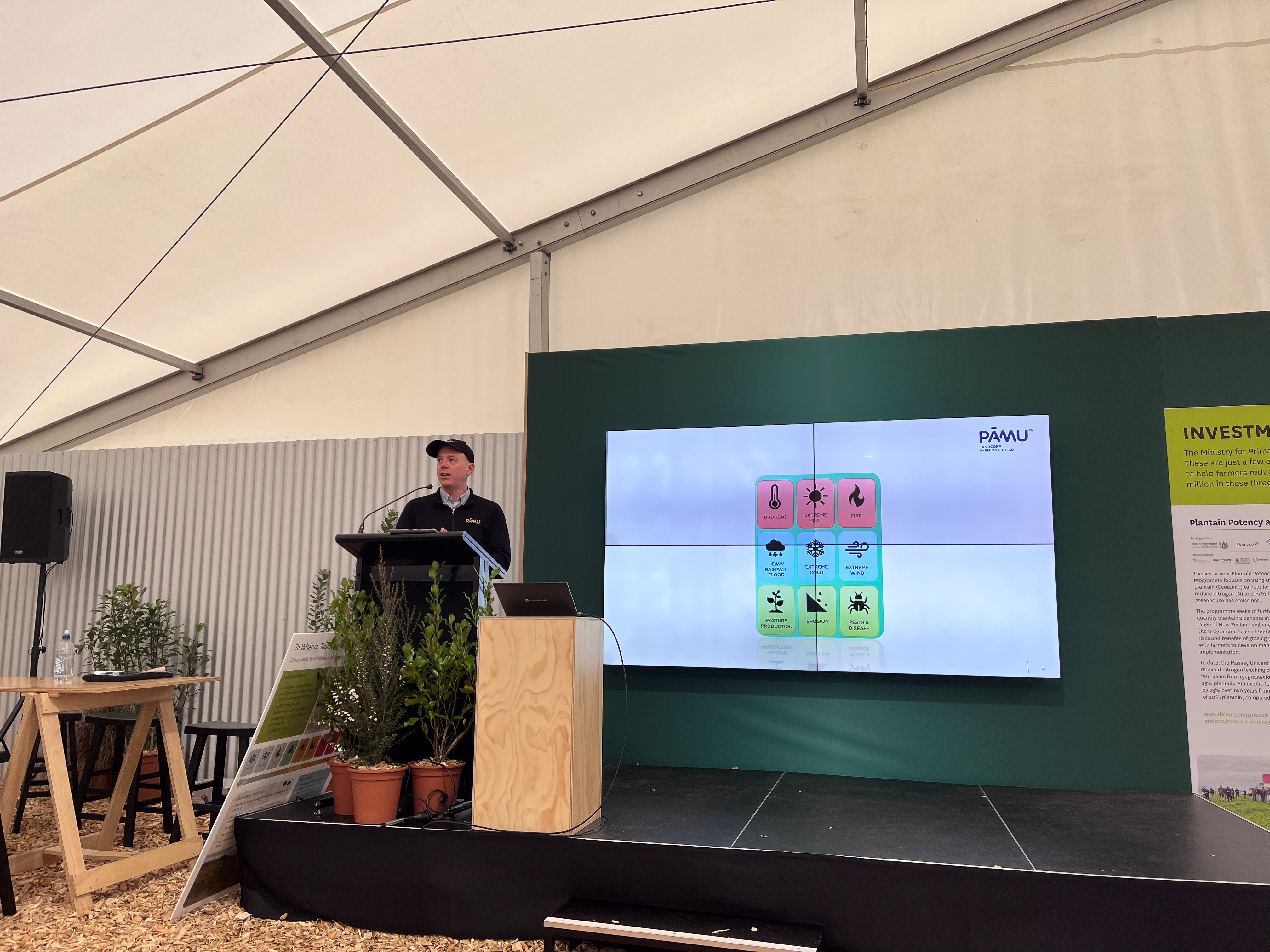
While the scenarios and roadmap were released in 2023, their core insights remain highly relevant today as the sector navigates increasing climate volatility and evolving transition pressures. The development process highlighted the value of bringing leaders together to build a shared understanding of future risk – and the power of that alignment plays in enabling meaningful, practical action at an organisational level.
Three years on, while agriculture remains vulnerable to the impacts of climate change, the sector is making strong progress towards mitigation. By continuing to come together through work such as The Circle’s, there is a clear opportunity for greater resilience, risk awareness, and responses that ensure food production can continue under a range of future climate scenarios - now and for decades to come.

-48.jpeg)
-47.jpeg)