Can we better ride the climate change tide and strengthen infrastructure resilience? Our Natural Infrastructure Plan says yes.
Recognising nature as frontline infrastructure gives us a powerful way to strengthen resilience. But this only works if we properly value what nature already provides and deliberately factor it into how we plan and invest in infrastructure going forward.
A compelling example of this in action is the Kaipara Moana Remediation Programme.
The initiative is one of six case studies featured in the Natural Infrastructure Plan which collectively demonstrate the compounding benefits investing in nature-based solutions offers.
Spanning Aotearoa New Zealand’s largest harbour and one of the world’s most significant tidal ecosystems, Kaipara Moana is both environmentally and economically vital.
It serves as a nursery for around 98% of the North Island’s west coast snapper – our top inshore commercial fishery supporting export revenue of approximately $35 million and contributing around $69 million annually to the economy, along with hundreds of jobs.
The harbour is also home to rare ecosystems, including sand-dune seagrass and estuarine wetlands, and provides habitat for taonga species such as the critically endangered Māui dolphin.
Yet decades of deforestation and land-use intensification have taken their toll. Soil erosion across the catchment has increased seven-fold, sending sediment into the harbour and degrading water quality and ecosystems.

The response? Nature-based solutions at scale
KMR aims to halve sediment flows into the harbour over time. Rather than relying solely on engineered solutions, it is investing in natural infrastructure across its 6,000km catchment. This includes:
- Wetland protection and restoration
- Native reforestation on erosion-prone land
- Riparian planting and stream fencing
- Regeneration of natural ecosystems
These interventions work with nature to stabilise land, improve water quality, and build long-term resilience.
Delivering measurable impact
The scale and impact of the programme are already significant.
To date, KMR has:
- Invested more than $28 million
- Planted nearly 3 million native trees
- Delivered over 1,000km of fencing
- Protected extensive riverbanks, wetlands, and coastal margins
At full scale, the programme is projected to:
- Reduce sediment loss by up to 70 – 84% along protected areas
- Cut contaminant flows by up to 60%
- Store approximately 160,000 tonnes of carbon over 50 years
- Protect more than 6,500 hectares of land by 2029
Strong economic returns
Crucially, investing in natural infrastructure is not just good for the environment -it stacks up economically. Independent analysis estimates:
- A return of $3.94 for every $1 invested
- A payback period of just 3.6 years
- Net benefits growing to over $400 million by 2031
These gains come from a mix of environmental improvements, increased farm productivity, avoided damage, and broader wellbeing benefits.
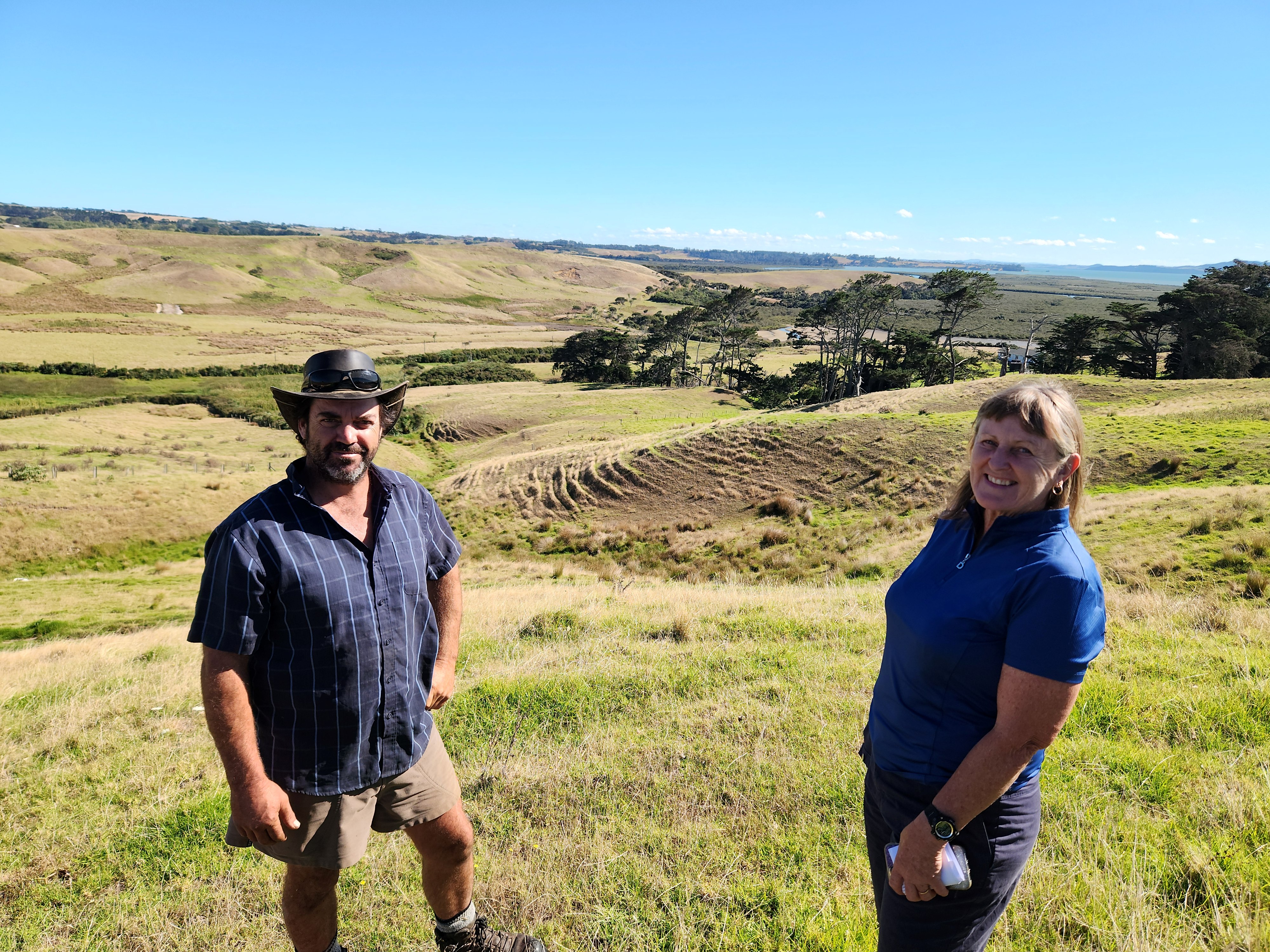
On-farm, for example, retiring unproductive land and improving grazing efficiency can increase pasture income while reducing erosion, delivering both environmental and financial returns.
Benefits for communities and culture
The programme also delivers wide-ranging social and cultural value.
It is expected to:
- Support up to 700+ jobs at full scale
- Improve recreational outcomes, including better fishing
- Generate significant cultural value through the protection and revitalisation of Māori practices and connections to the moana
More than half of the catchment’s pastoral landowners are now engaged, reflecting strong community buy-in and collaboration across iwi, landowners, councils, and partners.

A model for future infrastructure
Leaders involved in the programme see it as a blueprint for the future.
Emma Doré, Acting Pou Tātaki for KMR, highlights the collective effort behind the work and its alignment with a broader shift toward nature-based solutions.
Genevieve Smith, who led the case study analysis, describes the programme as a clear example of how natural infrastructure can deliver strong returns while supporting communities and ecosystems over the long term.
And as The Aotearoa Circle CEO Vicki Watson notes, New Zealand faces an infrastructure deficit of more than $200 billion, with up to $1 trillion needed over the next 30 years alongside increasing climate risk.
“The Kaipara Moana Remediation Programme shows what’s possible when we treat nature as essential infrastructure. It demonstrates that by working with nature - not against it - we can reduce risk, unlock economic value, and build resilience for generations to come.
“We can’t afford to rely solely on traditional ‘hard’ engineering solutions,” she says. “Natural infrastructure offers a 1+1=3 opportunity—reducing risk, restoring nature, and strengthening economic resilience, Vicki adds.
“The challenge now is to scale this thinking -embedding natural infrastructure into the decisions that shape Aotearoa New Zealand’s future.”

-48.jpeg)